
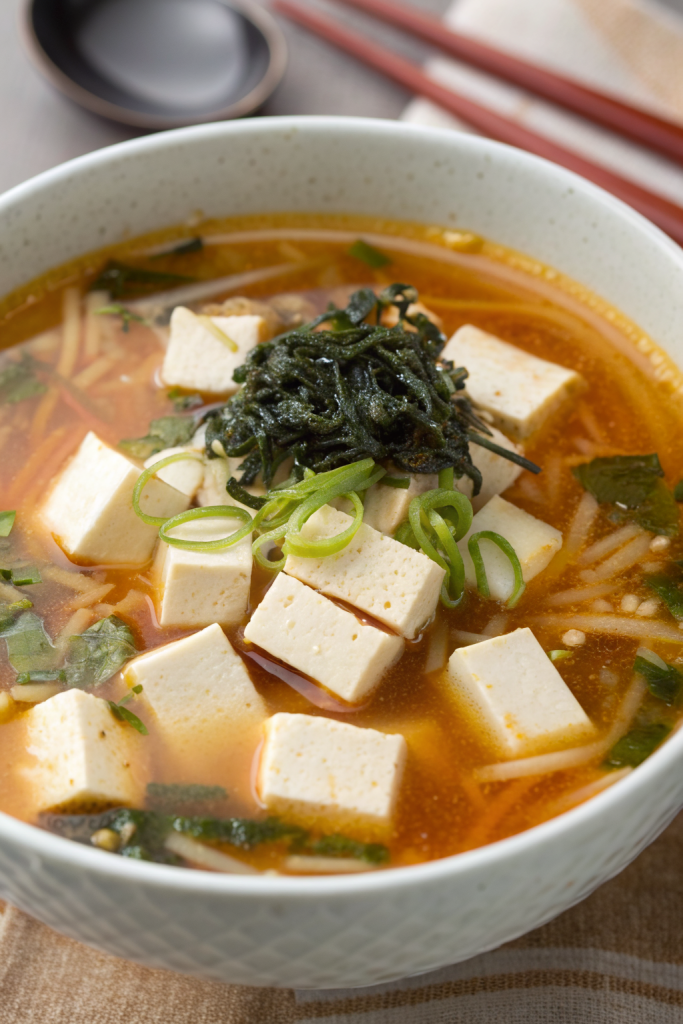
10 Japanese Recipe Ideas bring cozy umami, crunchy textures, and slurpy noodles together in under about 30–60 minutes per dish, perfect for busy home cooks who crave big flavor with simple steps. These recipes work for beginners who just bought their first bottle of soy sauce and for seasoned cooks who already stock miso and mirin. I cook Japanese-inspired meals at least twice a week in my tiny American kitchen, and my neighbors always “accidentally” walk by when they smell the dashi.
Why 10 Japanese Recipe Ideas Is Worth It
A set of 10 Japanese recipe ideas gives you a full week of dinners plus a few lunches without repeating the same flavors. You get noodles, rice bowls, crispy bites, and cozy soups, all built from a small group of pantry ingredients like soy sauce, mirin, miso, and sesame oil.
These recipes also scale easily, so you can cook for one or feed a crowd. You can keep them mild for kids or crank up the spice with chili oil and shichimi togarashi.
“These 10 Japanese recipe ideas turned my weeknight dinners from boring to restaurant-level delicious in under an hour each ★★★★★”
Ingredients You Need
Here’s a master list that covers all 10 Japanese recipe ideas. You do not need every single item for every recipe, but stocking most of these gives you tons of flexibility.
Core pantry ingredients
- Soy sauce (use low-sodium if you watch salt; Kikkoman or Yamasa both taste great)
- Mirin (sweet rice wine; if you skip alcohol, use a mix of rice vinegar + sugar)
- Rice vinegar
- White miso paste (mild and slightly sweet; great starter miso)
- Red miso paste (deeper, stronger flavor; perfect for hearty soups and marinades)
- Dashi powder or dashi packets (instant shortcut to classic Japanese broth)
- Sesame oil (toasted; use at the end for flavor, not for high-heat frying)
- Neutral oil (canola, grapeseed, or avocado oil)
- Sugar (white or light brown)
- Honey or maple syrup (for teriyaki-style sauces)
- Cornstarch or potato starch (for crisp coatings and glossy sauces)
- Japanese curry roux blocks (Golden Curry, Vermont Curry, or Java Curry)
- Ketchup and Worcestershire sauce (for okonomiyaki and curry tweaks)
- Japanese mayonnaise (Kewpie style, richer and tangier)
- Chili oil or rayu (for spice lovers)
- Shichimi togarashi (Japanese seven-spice blend for finishing)
Proteins
- Boneless chicken thighs (juicier and more forgiving than breasts)
- Thinly sliced beef (for gyudon and curry; hot pot or “shabu-shabu” cuts work well)
- Pork belly or thinly sliced pork shoulder
- Firm or extra-firm tofu (press it for better texture)
- Eggs (for ramen, oyakodon, and okonomiyaki)
- Shrimp (optional, for tempura-style dishes or yakisoba)
Carbs
- Short-grain Japanese rice (Calrose or Koshihikari style; sticky and perfect for bowls)
- Udon noodles (fresh, frozen, or vacuum-packed)
- Ramen noodles (fresh if possible, instant in a pinch)
- Soba noodles (buckwheat; great for lighter meals)
- Yakisoba noodles (pre-steamed wheat noodles)
Vegetables & aromatics
- Yellow onions
- Green onions / scallions
- Garlic
- Ginger (fresh root, not powdered, for best flavor)
- Cabbage (green or Napa; key for okonomiyaki and yakisoba)
- Carrots
- Potatoes
- Mushrooms (shiitake, cremini, or button)
- Bell peppers
- Frozen peas or mixed veggies (easy curry and fried rice shortcut)
- Spinach or bok choy
- Bean sprouts (for crunch in noodle dishes)
- Nori sheets or furikake (for topping rice and bowls)
Toppings & extras
- Pickled ginger (beni shoga)
- Takoyaki or okonomiyaki sauce (or mix ketchup + Worcestershire + soy sauce)
- Toasted sesame seeds
- Japanese pickles (tsukemono) if you find them
Equipment list
- Rice cooker or a pot with a tight lid
- Large nonstick or cast-iron skillet
- Medium saucepan and large pot (for soups and noodles)
- Mixing bowls
- Whisk and wooden spoon or silicone spatula
- Sharp chef’s knife and cutting board
- Tongs and a slotted spoon
- Optional: small mesh strainer (handy for dashi and frying)
Quick Tips & substitutions
- Use instant dashi powder when you feel short on time; it still gives deep umami.
- Swap chicken thighs for breasts if you prefer leaner meat, but shorten the cooking time so they stay juicy.
- Use firm tofu instead of meat in almost any recipe; press it and pan-fry for better texture.
- Replace mirin with 2 parts rice vinegar + 1 part sugar if you avoid alcohol.
- Cook rice ahead and chill it for fried rice or yakimeshi; day-old rice fries better.
- Use frozen mixed vegetables in curry, fried rice, and yakisoba to save chopping time.
- Thicken sauces with cornstarch slurry (1 tablespoon cornstarch + 1 tablespoon water) near the end of cooking.
- Taste sauces before you serve and adjust with soy for salt, sugar for sweetness, and vinegar for brightness.
- Keep heat medium-high for stir-fries so veggies stay crisp-tender, not soggy.
- Slice meat thinly against the grain so it cooks fast and stays tender.
How to Make 10 Japanese Recipe Ideas
I’ll walk through 10 core recipes with simple steps. You can mix and match ingredients and sauces once you feel comfortable.
1. Weeknight Chicken Teriyaki
Ingredients (serves 2–3)
- 1 lb boneless chicken thighs, trimmed
- 2 tablespoons soy sauce
- 2 tablespoons mirin
- 1 tablespoon sugar or honey
- 1 tablespoon sake (optional) or water
- 1 teaspoon grated ginger
- 1 teaspoon neutral oil
- 1 teaspoon sesame oil (finishing)
- Cooked rice and steamed broccoli, for serving
- Sesame seeds and sliced green onions, for garnish
Steps
- Pat the chicken dry and cut it into bite-size pieces. Stir soy sauce, mirin, sugar, sake or water, and ginger in a small bowl.
- Heat neutral oil in a skillet over medium-high heat and add the chicken in a single layer. Brown both sides until the chicken cooks through and edges caramelize.
- Pour the sauce into the pan and stir while it bubbles and thickens, about 2–3 minutes. Drizzle in sesame oil, toss to coat, then serve over rice with broccoli, sesame seeds, and green onions.
2. Simple Miso Soup with Tofu and Wakame
Ingredients (serves 3–4)
- 3 cups water
- 1–2 teaspoons dashi powder (to taste)
- 3 tablespoons white miso paste
- 1/2 block firm tofu, cut into small cubes
- 1 tablespoon dried wakame (optional but tasty)
- 2 green onions, thinly sliced
Steps
- Heat water in a saucepan until it steams and tiny bubbles form around the edges. Stir in dashi powder until it dissolves.
- Add tofu cubes and wakame and simmer gently for 2–3 minutes. Do not let the soup boil hard.
- Scoop some hot broth into a small bowl, whisk in miso paste until smooth, then pour it back into the pot. Stir gently, turn off the heat, add green onions, and serve hot.
3. Beef Gyudon (Japanese Beef Rice Bowl)
Ingredients (serves 2–3)
- 3 cups cooked short-grain rice
- 3/4 lb thinly sliced beef (ribeye or hot-pot style)
- 1 small onion, thinly sliced
- 1/2 cup water
- 3 tablespoons soy sauce
- 2 tablespoons mirin
- 1 tablespoon sugar
- 1 teaspoon grated ginger
- Optional toppings: pickled ginger, green onions, soft-cooked egg
Steps
- Stir water, soy sauce, mirin, sugar, and ginger in a small bowl. Heat a skillet over medium heat and add the sliced onion with a splash of the sauce.
- Cook the onion until it turns soft and translucent. Add the beef and the rest of the sauce.
- Stir and cook until the beef loses its pink color and the sauce reduces slightly. Spoon beef and onions over hot rice, drizzle with extra sauce from the pan, and top with pickled ginger, green onions, or a soft egg.
4. Japanese Curry with Chicken and Vegetables
Ingredients (serves 4)
- 1 lb chicken thighs, cut into chunks
- 1 onion, chopped
- 2 carrots, sliced
- 2 potatoes, peeled and cubed
- 1 tablespoon neutral oil
- 3 cups water or chicken broth
- 1/2 box Japanese curry roux (about 4 blocks)
- Optional: 1 tablespoon ketchup and 1 teaspoon Worcestershire sauce for extra depth
- Cooked rice, for serving
Steps
- Heat oil in a pot over medium heat and add onion. Cook until it softens and turns lightly golden.
- Add chicken and stir until the outside turns opaque. Add carrots and potatoes and stir for a minute.
- Pour in water or broth, bring to a gentle boil, then lower to a simmer and cook until vegetables turn tender, about 15–20 minutes.
- Turn off the heat, break curry roux blocks into the pot, and stir until they melt. Turn heat back to low, add ketchup and Worcestershire if you like, and simmer until the curry thickens. Serve over rice.
5. Quick Chicken Katsu (Crispy Cutlets)
Ingredients (serves 2–3)
- 2 chicken breasts, butterflied and pounded to even thickness
- Salt and pepper
- 1/2 cup flour
- 1 egg, beaten
- 1 cup panko breadcrumbs
- Neutral oil for shallow frying
- Tonkatsu or okonomiyaki sauce (or ketchup + Worcestershire + soy sauce mix)
- Shredded cabbage and rice, for serving
Steps
- Season chicken on both sides with salt and pepper. Set up three shallow bowls with flour, beaten egg, and panko.
- Dredge each piece of chicken in flour, dip in egg, then coat with panko. Press crumbs on so they stick.
- Heat about 1/4 inch of oil in a skillet over medium-high heat. Fry chicken until golden and cooked through, about 3–4 minutes per side.
- Drain on a rack or paper towel, slice into strips, and serve over rice with shredded cabbage and sauce drizzled on top.
6. Yakisoba (Stir-Fried Noodles with Veggies)
Ingredients (serves 3–4)
- 2 packs yakisoba noodles (or cooked ramen noodles)
- 1/2 lb sliced pork or chicken (optional)
- 1/2 small cabbage, shredded
- 1 carrot, julienned
- 1/2 onion, sliced
- 1 tablespoon neutral oil
- 2–3 tablespoons yakisoba sauce or mix: 1 tablespoon soy sauce + 1 tablespoon Worcestershire + 1 tablespoon ketchup
- Green onions, pickled ginger, and sesame seeds for topping
Steps
- Loosen yakisoba noodles by running them under warm water if they clump. Drain well.
- Heat oil in a large skillet over medium-high heat. Add meat if you use it and cook until it browns.
- Add onion, carrot, and cabbage and stir-fry until veggies soften but still keep some crunch.
- Add noodles, pour sauce over, and toss until everything mixes and heats through. Top with green onions, pickled ginger, and sesame seeds.
7. Oyakodon (Chicken and Egg Rice Bowl)
Ingredients (serves 2)
- 2 cups cooked rice
- 1/2 lb chicken thighs, cut into small pieces
- 1/2 onion, thinly sliced
- 2 eggs, lightly beaten
- 1/2 cup dashi broth (or water + a pinch of dashi powder)
- 2 tablespoons soy sauce
- 2 tablespoons mirin
- 1 teaspoon sugar
- Green onions for garnish
Steps
- Stir dashi, soy sauce, mirin, and sugar in a small bowl. Heat a small skillet over medium heat and add onion with the sauce.
- Simmer until onion softens. Add chicken pieces in a single layer and simmer until they cook through.
- Pour beaten eggs evenly over the chicken and onion. Cover and cook until eggs set to your liking, about 1–2 minutes.
- Spoon chicken and egg mixture over hot rice and garnish with green onions.
8. Okonomiyaki (Savory Cabbage Pancakes)
Ingredients (serves 2–3)
- 2 cups finely shredded cabbage
- 2 green onions, sliced
- 1/2 cup flour
- 1/4 cup water or dashi
- 2 eggs
- 1/4 teaspoon salt
- 2–3 strips bacon or thin pork belly (optional)
- Neutral oil for pan
- Okonomiyaki sauce or ketchup + Worcestershire + soy sauce mix
- Japanese mayo, bonito flakes, and nori strips (optional toppings)
Steps
- Stir flour, water or dashi, eggs, and salt in a bowl until you see no dry flour. Fold in cabbage and green onions.
- Heat a nonstick skillet over medium heat and add a little oil. Spoon in half the batter and shape it into a thick pancake.
- Lay bacon strips on top if you use them. Cook until the bottom turns golden and the edges look set, then flip and cook until the other side browns and the center cooks through.
- Repeat with remaining batter. Drizzle pancakes with sauce and mayo, then sprinkle with toppings.
9. Easy Tofu Teriyaki Rice Bowls
Ingredients (serves 2–3)
- 1 block firm tofu, pressed and cut into cubes
- 1 tablespoon cornstarch
- 1 tablespoon neutral oil
- 2 tablespoons soy sauce
- 2 tablespoons mirin
- 1 tablespoon sugar or maple syrup
- 1 teaspoon grated ginger
- Steamed broccoli or snap peas
- Cooked rice
- Sesame seeds and green onions
Steps
- Toss tofu cubes with cornstarch until coated. Heat oil in a skillet over medium-high heat and add tofu.
- Cook until all sides turn golden and crisp. Stir soy sauce, mirin, sugar, and ginger in a small bowl.
- Pour sauce over tofu and simmer until it thickens and coats the cubes. Serve tofu over rice with veggies, sesame seeds, and green onions.
10. Quick Weeknight Ramen Upgrade
Ingredients (serves 2)
- 2 packs instant ramen (discard flavor packets or use half if you like)
- 3 cups chicken or vegetable broth
- 1 tablespoon soy sauce
- 1 teaspoon sesame oil
- 1 teaspoon grated ginger and 1 clove garlic, minced
- 1 cup sliced mushrooms
- 1 cup baby spinach or bok choy
- 2 soft-boiled eggs
- Green onions and chili oil (optional)
Steps
- Heat a pot over medium heat and add a small splash of oil. Sauté garlic and ginger until fragrant.
- Add mushrooms and cook until they soften. Pour in broth, soy sauce, and sesame oil, then bring to a gentle boil.
- Add ramen noodles and cook according to package time. During the last minute, add spinach or bok choy.
- Divide noodles and broth into bowls, top with eggs, green onions, and chili oil if you like.
Recipe Variations
- Use tamari instead of soy sauce to keep recipes gluten-free.
- Swap tofu, tempeh, or extra veggies for meat to build vegan or vegetarian versions.
- Use cauliflower rice or shredded cabbage instead of rice for low-carb bowls.
- Add extra mushrooms, spinach, or bok choy to almost any dish for more veggies.
- Stir a spoonful of miso into ramen or curry at the end for deeper umami.
- Add a drizzle of chili oil or sprinkle shichimi togarashi for spicy versions.
- Use soba noodles instead of ramen or udon when you want a lighter meal.
Ways to Serve 10 Japanese Recipe Ideas
- Serve chicken teriyaki or tofu teriyaki over rice with steamed broccoli and carrot ribbons.
- Pair miso soup with a simple salad and rice bowls for a cozy set meal.
- Pack gyudon or oyakodon leftovers in lunch containers with pickles on the side.
- Serve okonomiyaki sliced into wedges as a main dish with miso soup.
- Offer yakisoba with cucumber salad and orange slices for a balanced plate.
- Build a “ramen bar” with toppings like corn, spinach, green onions, and soft eggs.
Storage Success
Cool leftovers to room temperature, then move them to airtight containers within two hours. Store rice bowls, curry, and teriyaki dishes in the fridge for up to 3–4 days, and reheat them gently on the stove or in the microwave with a splash of water. Keep noodles separate from broth when possible so they do not turn mushy. Freeze curry, teriyaki chicken, and cooked rice in portions for easy future meals, and skip freezing dishes with lots of fresh cabbage or soft eggs since they lose their best texture.
Weeknight Chicken Teriyaki
Ingredients
Instructions
- Stir together the soy sauce, mirin, sugar or honey, sake or water, and grated ginger in a small bowl and set aside.
- Heat the neutral oil in a large skillet over medium-high heat. Add the chicken pieces in a single layer and cook, turning occasionally, until browned on both sides and cooked through.
- Pour the prepared sauce into the skillet and cook, stirring, until it bubbles and thickens to a glossy coating, 2–3 minutes. Drizzle in the sesame oil and toss to coat the chicken.
- Serve the teriyaki chicken over bowls of hot cooked rice with steamed broccoli on the side. Garnish with sesame seeds and sliced green onions.
Notes
Approximate per serving (1/3 of recipe, including rice and broccoli): 540 calories; fat 17 g; saturated fat 4 g; carbohydrates 60 g; fiber 3 g; sugars 13 g; protein 34 g; sodium 980 mg. Values will vary based on ingredient brands and portion sizes.