
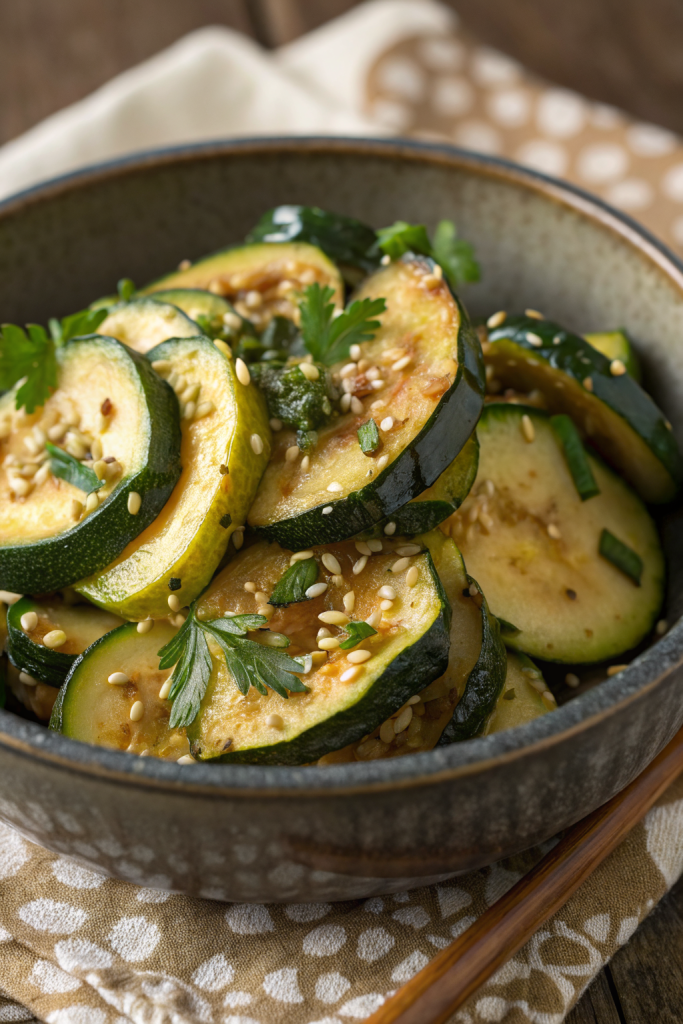
Hibachi Zucchini Recipe tastes smoky, buttery, and garlicky with just enough soy and sesame to remind you of your favorite Japanese steakhouse, and it suits busy home cooks who want a 15-minute veggie side that still feels special. It works perfectly for weeknights, meal prep, or anyone who wants restaurant-style hibachi vegetables without leaving the kitchen. I first learned this version while trying to copy the zucchini from my local hibachi grill after realizing I kept ignoring the steak and chasing the veggies instead.
Why Choose This Hibachi Zucchini Recipe
This hibachi zucchini recipe cooks in one pan, uses simple ingredients, and hits that classic steakhouse flavor. You get tender-crisp zucchini, soft onions, and a light buttery glaze that clings to every bite.
You control the salt, oil, and doneness, so the veggies never turn soggy or greasy. The recipe also scales easily, so you can cook a small batch for one or a big pan for family dinner.
“Tastes exactly like my favorite hibachi place, but fresher and hotter from the pan at home. ★★★★★”
Ingredients You’ll Need
Vegetables
- 3 medium zucchini, cut into thick half-moons
- Choose firm zucchini with shiny skin. Avoid very large ones since they hold more water and turn mushy.
- 1 small yellow onion, sliced into ½-inch strips
- Sweet onion works great if you like a milder flavor.
- 1 small carrot, cut into thin matchsticks (optional but adds color and sweetness)
- 1 cup mushrooms, sliced (optional, white or cremini both work)
Fats and Seasoning
- 2 tablespoons neutral oil
- Use avocado, canola, or grapeseed oil. Avoid extra virgin olive oil since it smokes quickly at high heat.
- 1½ tablespoons unsalted butter
- Use a good-quality butter like Kerrygold or your favorite store brand. Salted butter works too; just reduce added salt slightly.
- 2 cloves garlic, minced
- Use jarred minced garlic as a shortcut if needed, but fresh garlic gives the best flavor.
- ½ teaspoon kosher salt, plus more to taste
- ¼ teaspoon black pepper
- ¼ teaspoon garlic powder
- This boosts the garlicky flavor without burning like fresh garlic sometimes does.
Sauce Mix
- 1½ tablespoons low-sodium soy sauce
- Use low-sodium so you control the salt. Tamari works for gluten-free.
- 1 teaspoon toasted sesame oil
- A little goes a long way. Use a brand like Kadoya or any labeled “toasted.”
- 1 teaspoon rice vinegar
- Seasoned or unseasoned both work. If you use seasoned, taste before adding extra salt.
- ½ teaspoon sugar or honey
- This tiny bit balances the salt and adds that hibachi-style glaze.
Garnish (Optional but tasty)
- 1–2 teaspoons sesame seeds
- 1 green onion, thinly sliced
Equipment
- Large skillet or wok
- A 12-inch cast iron or stainless steel skillet works best. Nonstick works too, just keep the heat slightly lower.
- Cutting board and sharp knife
- Small bowl for sauce mix
- Spatula or wooden spoon
- Tongs (helpful but optional)
Tips & Tricks
- Cut the zucchini into thick half-moons so they stay crisp-tender and do not turn soggy.
- Pat the zucchini dry with a paper towel before cooking to reduce excess moisture.
- Preheat the pan until it feels very hot so the veggies sear instead of steam.
- Cook in batches if your pan looks crowded so the vegetables brown nicely.
- Keep the veggies moving, but let them sit for short bursts to get that slight char.
- Add the garlic and sauce near the end so they do not burn.
- Use low-sodium soy sauce and taste before adding more salt.
- Swap zucchini with yellow squash or mix both for color and variety.
- Add a pinch of red pepper flakes if you like a little heat.
- Serve right away since the texture tastes best hot from the pan.
How to Make Hibachi Zucchini Recipe
Step 1: Prep the Vegetables
Wash the zucchini and trim the ends. Slice each zucchini in half lengthwise, then slice each half into ½-inch thick half-moons. Slice the onion into ½-inch strips and prep any optional veggies like carrots or mushrooms.
Pat the zucchini pieces dry with a clean towel or paper towel. This step helps the zucchini brown and not steam.
Step 2: Mix the Sauce
In a small bowl, combine soy sauce, toasted sesame oil, rice vinegar, and sugar or honey. Stir until the sugar dissolves.
Taste the sauce and adjust. Add a tiny pinch more sugar if you want a sweeter glaze or a splash more soy sauce for extra savoriness.
Step 3: Heat the Pan
Place a large skillet or wok over medium-high to high heat. Let the pan heat for 2 to 3 minutes until a drop of water sizzles and evaporates quickly.
Add the neutral oil and swirl to coat the bottom. The oil should shimmer, which signals that the pan reached the right temperature.
Step 4: Sear the Zucchini and Onion
Add the zucchini and onion to the hot pan in an even layer. If the pan looks crowded, cook half at a time.
Let the veggies cook without stirring for about 1 minute so they pick up some color. Then stir and toss for another 3 to 4 minutes until the zucchini turns bright green with golden edges and the onion softens slightly.
If you use carrots or mushrooms, add them with the zucchini and onion. Keep everything moving but allow short rests on the hot surface for browning.
Step 5: Season the Vegetables
Sprinkle the salt, black pepper, and garlic powder over the veggies. Toss well so the seasoning coats all sides.
Taste a piece of zucchini and adjust the salt or pepper if needed. Keep the heat fairly high so the vegetables stay crisp and not watery.
Step 6: Add Garlic and Butter
Push the veggies to the sides of the pan and create a small open space in the center. Add the butter and minced garlic to that space.
Stir the garlic in the melting butter for about 20 to 30 seconds until fragrant. Then toss the veggies through the garlicky butter so everything gets coated.
Step 7: Add the Sauce
Give the sauce a quick stir and pour it around the edges of the pan, not directly in the center. The hot pan will help the sauce sizzle and thicken slightly.
Toss the vegetables for 30 to 60 seconds until the sauce coats them and looks glossy. Taste one more time and adjust seasoning if needed.
Step 8: Finish and Serve
Turn off the heat and sprinkle sesame seeds and sliced green onion over the top. Toss gently.
Serve the hibachi zucchini hot right from the pan. The veggies taste best while they still feel crisp-tender and steamy.
What to Serve with Hibachi Zucchini Recipe
This hibachi zucchini recipe pairs perfectly with hibachi chicken, steak, shrimp, or tofu and a side of fried rice or plain steamed rice. Add a simple miso soup or a crisp cucumber salad for a light starter. Kids often enjoy it with teriyaki chicken and white rice since the flavors stay mild and buttery.
You can also serve it with grilled salmon, baked chicken thighs, or even over noodles with extra soy sauce and a drizzle of sesame oil. A side of edamame or steamed broccoli rounds out the meal nicely without much extra work.
Storage Options
- Cool leftovers to room temperature within 30 minutes, then store in an airtight container in the fridge for up to 3 to 4 days.
- Reheat in a hot skillet with a tiny splash of oil or water for 2 to 3 minutes until warmed through; this keeps the texture closer to fresh.
- Use the microwave in 30-second bursts if you feel rushed, but stop as soon as the zucchini heats through so it does not turn mushy.
- Freeze only if needed, since zucchini softens a lot after thawing; store in a freezer-safe container for up to 2 months and reheat in a skillet from thawed for the best texture.
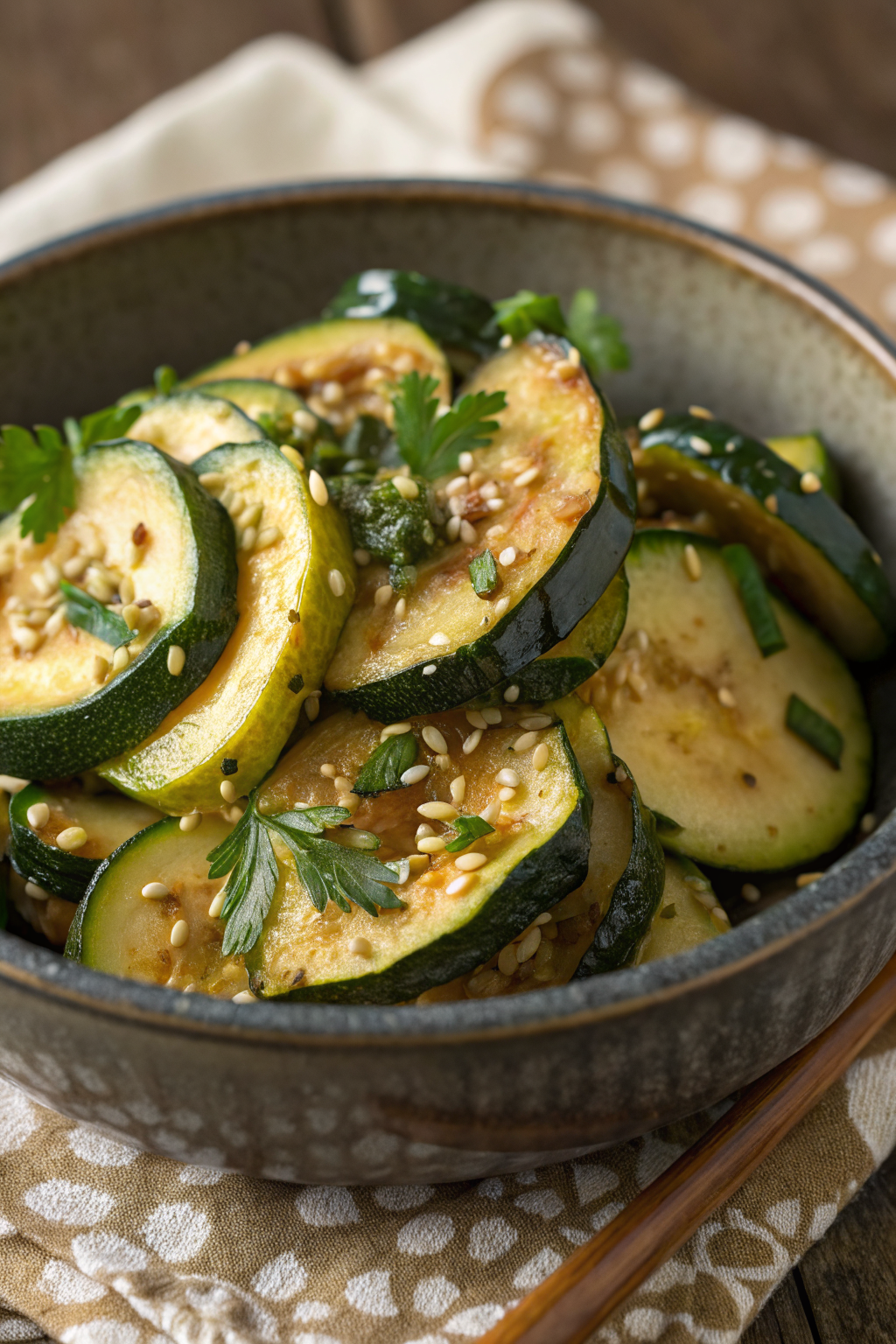
Hibachi Zucchini Recipe
Ingredients
Instructions
- Wash the zucchini, trim the ends, and slice into 1/2-inch thick half-moons. Slice the onion into 1/2-inch strips and prep the carrot and mushrooms if using. Pat the zucchini pieces dry with a clean towel or paper towel.
- In a small bowl, combine the soy sauce, toasted sesame oil, rice vinegar, and sugar or honey. Stir until the sugar dissolves and set aside.
- Place a large skillet or wok over medium-high to high heat and let it preheat for 2 to 3 minutes until very hot. Add the neutral oil and swirl to coat the bottom of the pan.
- Add the zucchini, onion, and any optional carrot or mushrooms to the hot pan in an even layer. Let cook without stirring for about 1 minute to develop color, then stir and toss for 3 to 4 minutes until the zucchini is bright green with golden edges and the onion has started to soften.
- Sprinkle the salt, black pepper, and garlic powder over the vegetables and toss well so they are evenly coated. Taste a piece of zucchini and adjust the seasoning if needed, keeping the heat fairly high so the vegetables stay crisp-tender.
- Push the vegetables to the sides of the pan to create space in the center. Add the butter and minced garlic to the open space. Stir the garlic in the melting butter for 20 to 30 seconds until fragrant, then toss the vegetables through the garlicky butter to coat.
- Give the sauce a quick stir and pour it around the edges of the hot pan. Toss the vegetables for 30 to 60 seconds until the sauce coats them and looks glossy. Taste and adjust seasoning if needed, then remove from the heat.
- Sprinkle with sesame seeds and sliced green onion if using, toss gently, and serve the hibachi zucchini hot while the vegetables are still crisp-tender and steamy.
Notes
Approximate per serving (4 servings): 160–190 calories; fat 12–14 g; saturated fat 4–5 g; carbohydrates 11–14 g; fiber 2–3 g; sugars 7–9 g; protein 4–5 g; sodium 430–520 mg. Values will vary based on exact vegetable sizes, oil and butter amounts, soy sauce brand, and any optional add-ins.
Leave a Reply