

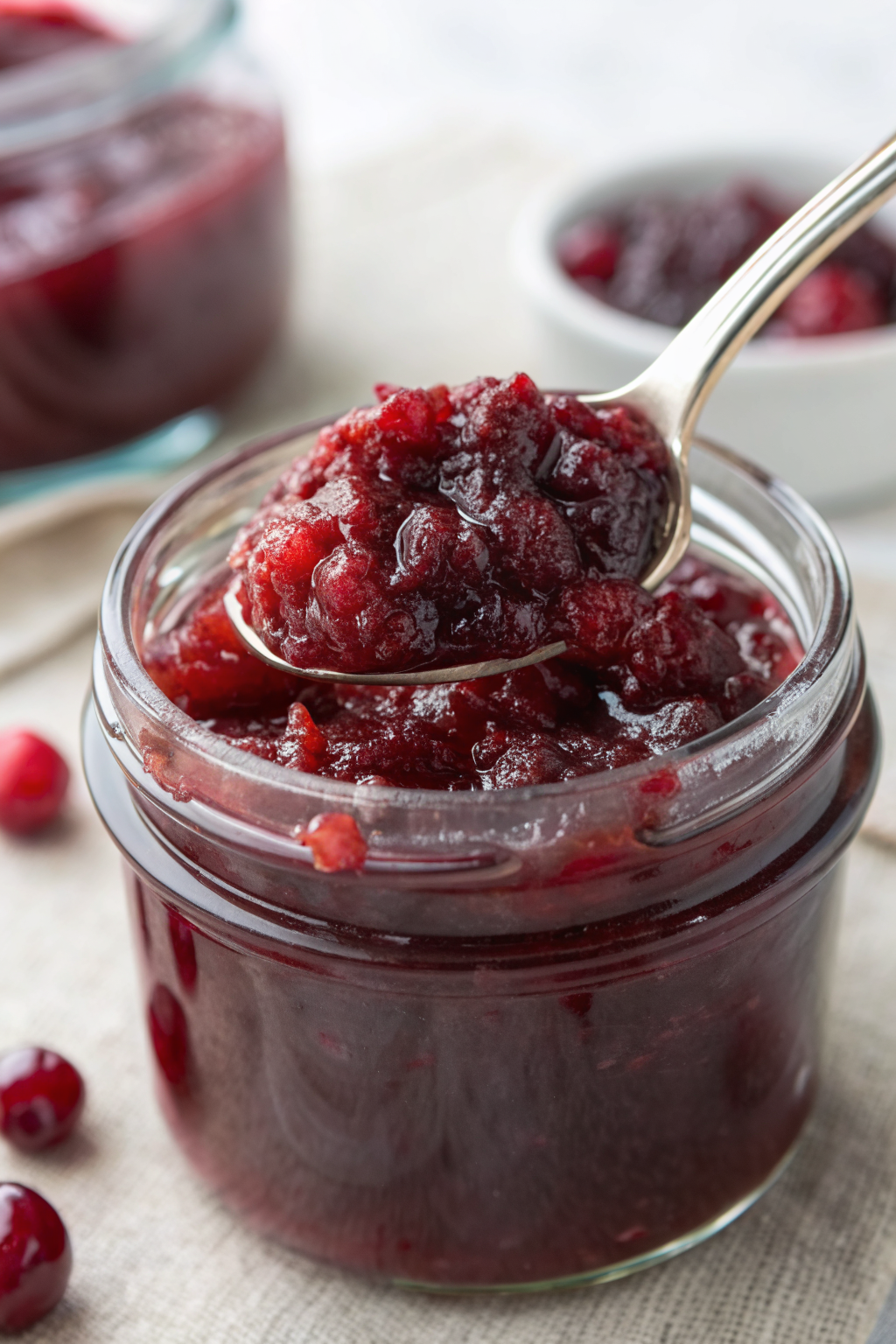
How to Make Christmas Jam tastes like a cozy cranberry-strawberry hug with warm spices and a hint of citrus, perfect for toast, biscuits, and gifting. It suits busy home cooks who want a festive homemade jam in about 1 hour total, without any tricky candy-thermometer drama. I test Christmas jam recipes every December in my tiny kitchen while my kids “help” by stealing strawberries from the prep bowl.
Why How to Make Christmas Jam Is Worth It
This Christmas jam recipe delivers bright cranberry tang, sweet strawberry flavor, and gentle cinnamon spice in every spoonful. It tastes like holiday pie filling that decided to live on your morning toast instead.
You cook everything in one pot, and the process stays simple enough for beginners. The recipe uses frozen fruit and pantry staples, so you skip hunting for perfect berries in the middle of winter.
“This How to Make Christmas Jam recipe tastes like Christmas morning on toast and made my whole kitchen smell amazing. ★★★★★”
Ingredients You Need
Here’s what you need to make a batch of Christmas jam that tastes like it came from a fancy country store, not your Tuesday-night kitchen.
Fruit & flavor:
- Cranberries – 2 cups fresh or frozen, rinsed and picked over
- Strawberries – 3 cups fresh or frozen, hulled; frozen work great and save time
- Orange juice – 1 cup, pulp or no pulp both work
- Orange zest – from 1 large orange, finely grated
- Lemon juice – 2 tablespoons, bottled works fine here
Sweetener & thickener:
- Granulated sugar – 4 cups; use standard white sugar for best set and color
- Brown sugar – ¼ cup, optional, for a deeper caramel note
- Low-sugar pectin – 1 (1.75 oz) box; look for “low sugar” or “lite” pectin on the label
Warm spices:
- Ground cinnamon – 1 teaspoon
- Ground cloves – ¼ teaspoon
- Ground nutmeg – ¼ teaspoon
- Vanilla extract – 1 teaspoon, added at the end for a smooth finish
Salt:
- Fine sea salt – a pinch, to balance the sweetness and brighten the fruit
Equipment:
- Large heavy-bottomed pot or Dutch oven (at least 5–6 quarts)
- Long wooden spoon or heatproof spatula
- Potato masher or large fork
- Ladle and canning funnel (helpful but optional)
- Clean glass jars with lids (half-pint or pint size)
- Large canning pot or deep stockpot with rack (if you plan to water-bath can)
- Tongs or jar lifter, clean towels, and a small clean spoon for tasting
Pantry shortcut note: Frozen cranberries and strawberries work beautifully and keep the jam consistent year-round. Brand-wise, any basic store brand fruit and sugar works; save the fancy stuff for snacking.
Quick Tips & substitutions
- Use frozen berries if fresh ones cost a fortune or look sad; thaw them halfway so they break down faster.
- Stir the pot often and scrape the bottom so the jam does not scorch, especially near the end.
- Taste the mixture after it boils and adjust sugar by ¼ cup at a time if you prefer a sweeter jam.
- Swap strawberries with raspberries or cherries for a different twist, but keep the total fruit amount the same.
- Use bottled lemon juice if you plan to can the jam, since it keeps the acidity consistent.
- Skip pectin only if you feel comfortable with a softer, more spoonable jam and a longer cooking time.
- Add a cinnamon stick instead of ground cinnamon if you want a milder spice; pull it out before jarring.
- Use a wide pot rather than a tall one so the jam thickens faster and cooks more evenly.
How to Make How to Make Christmas Jam
Step 1: Prep the fruit and flavor base
Rinse the cranberries and pick out any shriveled ones. Hull the strawberries if you use fresh ones, or measure frozen berries straight from the bag.
Add cranberries, strawberries, orange juice, orange zest, and lemon juice to your large pot. Stir everything together and set the pot over medium heat.
Step 2: Soften and mash the fruit
Bring the mixture to a gentle simmer and stir often. As the berries soften, mash them with a potato masher to break them down.
Aim for a mix of smooth jam and small fruit pieces, so the texture feels rustic but spreadable. If the mixture looks dry, splash in 2–3 extra tablespoons of orange juice.
Step 3: Add sugar, spices, and pectin
Once the fruit softens and releases juices, sprinkle in the sugar and brown sugar. Stir until the sugar dissolves and no gritty crystals remain on the bottom of the pot.
Whisk the low-sugar pectin with 2–3 tablespoons of sugar in a small bowl to prevent clumping. Sprinkle that mixture into the pot while you stir constantly.
Add cinnamon, cloves, nutmeg, and a pinch of salt. Stir again so the spices spread evenly through the fruit.
Step 4: Bring the jam to a full rolling boil
Turn the heat to medium-high and stir often. The jam will start to bubble, then foam, then thicken.
You want a full rolling boil that keeps boiling even while you stir. Once you reach that point, boil the jam for 1–2 minutes while you stir constantly so it does not stick.
Step 5: Check the set
Turn the heat down to low. Spoon a little jam onto a chilled plate and let it sit for 30 seconds.
Push the edge of the jam with your fingertip. If it wrinkles slightly and moves as a sheet, it reached a soft set. If it runs like syrup, boil the jam for another 1–2 minutes and test again.
Step 6: Finish with vanilla and adjust flavor
Turn off the heat and stir in the vanilla extract. Taste a small spoonful carefully, since hot jam feels like lava.
Adjust the flavor if needed: add a bit more lemon juice for brightness or a spoonful of sugar if you want more sweetness. Stir well after any adjustment.
Step 7: Jar the jam
Ladle the hot jam into clean, warm jars, leaving about ¼ inch of headspace at the top. Wipe the rims with a damp towel so the lids seal well.
Screw on the lids until fingertip tight. If you plan to store the jam in the fridge or freezer only, let the jars cool to room temperature, then chill.
Step 8: Optional water-bath canning
If you want shelf-stable Christmas jam, set your jars on a rack in a large pot of simmering water. Make sure the water covers the jars by at least 1 inch.
Bring the water to a gentle boil and process half-pint or pint jars for about 10 minutes, adjusting for altitude as needed. Lift the jars out with tongs or a jar lifter and set them on a towel to cool completely.
Recipe Variations
- Gluten-free: The base recipe uses naturally gluten-free ingredients; just check spice and pectin labels for cross-contact notes.
- Vegan: Use standard sugar that does not use bone char, if that matters to you, and keep everything else the same.
- Low sugar: Use a low-sugar pectin and cut the sugar down to 2–2½ cups; expect a softer set and brighter tart flavor.
- Spicier version: Add a pinch of ground ginger or cardamom for extra warmth.
- Berry blend: Swap half the strawberries with raspberries or blueberries for a mixed-berry Christmas jam.
- Citrus twist: Add lime zest with the orange zest for a sharper citrus note.
Ways to Serve How to Make Christmas Jam
- Spoon over warm biscuits, toast, English muffins, or bagels.
- Swirl into yogurt or oatmeal for a quick holiday breakfast.
- Use as a filling for thumbprint cookies or sandwich cookies.
- Spread inside grilled cheese with sharp cheddar for a sweet-savory combo.
- Serve with cream cheese and crackers as a simple party snack.
- Stir into hot tea as a fruity sweetener.
Storage Success
Let the jars cool completely at room temperature, then label them with the date so you track freshness. Store water-bath processed jars in a cool, dark cabinet and use them within about 1 year for best flavor.
Keep opened jars in the fridge and finish them within 3–4 weeks. If you freeze the jam in freezer-safe containers, leave some headspace and enjoy it within 6 months for top texture and taste.
How to Make Christmas Jam
Ingredients
Instructions
- Add the cranberries, strawberries, orange juice, orange zest, and lemon juice to a large heavy-bottomed pot or Dutch oven. Stir to combine and set the pot over medium heat.
- Bring the mixture to a gentle simmer, stirring often. As the berries soften, mash them with a potato masher to break them down, aiming for a mix of mostly smooth jam with some small fruit pieces. If the mixture looks dry, add 2–3 tablespoons more orange juice.
- Once the fruit has softened and released its juices, add the granulated sugar and brown sugar (if using). Stir until the sugar is completely dissolved and no gritty crystals remain on the bottom of the pot.
- In a small bowl, whisk the low-sugar pectin with 2–3 tablespoons of the sugar to help prevent clumping. Sprinkle this mixture into the pot while stirring constantly. Add the cinnamon, cloves, nutmeg, and a pinch of salt, then stir again so the spices are evenly distributed.
- Increase the heat to medium-high and cook, stirring often. The jam will bubble, foam, and begin to thicken. Bring it to a full rolling boil that does not stop even while stirring, then boil for 1–2 minutes, stirring constantly to prevent sticking.
- Reduce the heat to low. Spoon a little jam onto a chilled plate and let it sit for about 30 seconds. Push the edge of the jam with your fingertip; if it wrinkles slightly and moves as a sheet, it has reached a soft set. If it runs like syrup, return the pot to a boil for another 1–2 minutes and test again.
- Turn off the heat and stir in the vanilla extract. Carefully taste a small spoonful (it will be very hot) and adjust the flavor if needed with a bit more lemon juice for brightness or a spoonful of sugar for extra sweetness, stirring well after any adjustment.
- Ladle the hot jam into clean, warm glass jars, leaving about 1/4 inch of headspace at the top. Wipe the rims with a damp towel and screw on the lids until fingertip tight. Let cool to room temperature, then refrigerate or freeze, or process in a water bath if you prefer shelf-stable storage.
Notes
Approximate per 2-tablespoon serving (about 1/48 of the batch): 80 calories; fat 0 g; saturated fat 0 g; carbohydrates 21 g; fiber 1 g; sugars 19 g; protein 0 g; sodium 10 mg. Values are estimates and will vary based on exact ingredients, brands, and final yield.
Leave a Reply