
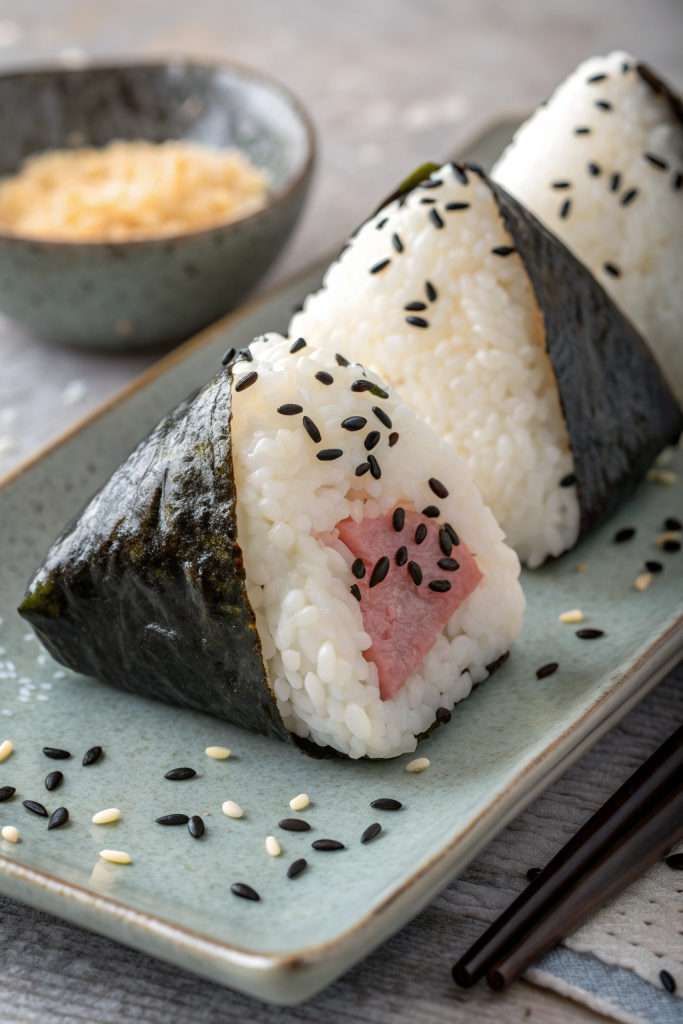
Spicy Tuna Onigiri Recipe tastes like a sushi roll’s bold cousin: creamy, spicy tuna tucked into warm, lightly salted rice with a crisp nori hug. It works perfectly for busy folks who want a fast lunch, snack, or meal prep option in about 35 minutes total. I started packing these in my own work lunches years ago, and my coworkers kept “taste testing” them until I had to make double batches.
Why Choose This Spicy Tuna Onigiri Recipe
This spicy tuna onigiri recipe uses simple pantry ingredients but still tastes like something from a good Japanese deli. You get a perfect balance of heat, creaminess, and umami, with a texture that stays handheld and not messy.
You can prep everything ahead, shape the rice balls quickly, and pack them for school, work, or road trips. Kids who like California rolls usually love these, and spice lovers can crank up the heat with extra sriracha or chili flakes.
“This spicy tuna onigiri recipe tastes like takeout-quality rice balls that you can pack in a lunchbox without any fuss.” ★★★★★
Ingredients You’ll Need
Rice
- 2 cups uncooked Japanese short-grain rice
- Look for “sushi rice” or “Calrose” on the bag.
- 2 1/4 cups water
- 1 teaspoon fine sea salt, plus more to taste
- 1 teaspoon rice vinegar (optional, for a subtle sushi rice vibe)
Spicy tuna filling
- 1 can (5 to 6 ounces) tuna in water, well drained
- I like Wild Planet or Safe Catch, but any good quality tuna works.
- 2 1/2 to 3 tablespoons Japanese mayonnaise
- Kewpie gives the best flavor, but regular mayo works if that is what you have.
- 1 to 1 1/2 tablespoons sriracha, to taste
- 1 teaspoon soy sauce
- 1 teaspoon toasted sesame oil
- 1 teaspoon lemon juice or rice vinegar
- 1 tablespoon finely chopped green onion
- 1 teaspoon finely chopped red onion or shallot (optional, for extra bite)
- 1 teaspoon sesame seeds (white, black, or a mix)
- Small pinch sugar, only if the mixture tastes too salty or sharp
- Small pinch salt, to taste
Nori and extras
- 3 to 4 full sheets nori, cut into strips or rectangles
- I like roasted, unseasoned nori so the salt level stays balanced.
- Extra sesame seeds for sprinkling
- Japanese furikake seasoning (optional but amazing)
- A small bowl of water for dipping your hands
- A small bowl of salt for seasoning your hands and the rice surface
Equipment
- Fine mesh strainer for rinsing rice
- Rice cooker or medium saucepan with lid
- Mixing bowls
- Rice paddle or silicone spatula
- Sharp knife and cutting board
- Plastic wrap (optional, but very handy for shaping)
Tips & Tricks
- Rinse the rice until the water runs almost clear so the grains cook fluffy and not gummy.
- Use slightly warm rice when you shape the onigiri, since cold rice turns firm and cracks.
- Wet your hands and rub a tiny bit of salt on them before handling the rice to prevent sticking and to season the surface.
- Keep the spicy tuna filling cool in the fridge while the rice cooks so it stays fresh and safe.
- Do not overfill the rice balls; use about 1 to 1 1/2 tablespoons filling per onigiri so they hold together.
- Wrap only the bottom or sides with nori if you plan to eat later so the seaweed stays a little crisp.
- Pack onigiri tightly in a container so they do not roll around and break during transport.
- Adjust the heat level with more or less sriracha, or add a pinch of chili flakes if you want extra kick.
How to Make Spicy Tuna Onigiri Recipe
Cook the rice
- Measure the rice into a fine mesh strainer and rinse under cool water. Swirl the rice with your hand until the water runs mostly clear, then drain well.
- Add the rinsed rice and 2 1/4 cups water to a rice cooker or saucepan. Cook according to your rice cooker instructions, or bring to a boil on the stove, then cover, lower the heat, and simmer 15 minutes.
- Turn off the heat and let the rice sit covered for 10 minutes. Fluff gently with a rice paddle, then sprinkle in 1 teaspoon salt and 1 teaspoon rice vinegar if you use it, and fold gently.
Mix the spicy tuna filling
- While the rice cooks, add drained tuna to a medium bowl and break it into small flakes with a fork.
- Stir in Japanese mayonnaise, sriracha, soy sauce, sesame oil, and lemon juice or rice vinegar.
- Add green onion, red onion or shallot if you use it, and sesame seeds. Taste and adjust with a pinch of sugar or salt if needed, then chill the bowl in the fridge until you shape the onigiri.
Prep your shaping station
- Set out a small bowl of clean water and a small pinch bowl of salt near your work area.
- Cut nori sheets into strips or rectangles that fit around the bottom or sides of each onigiri.
- If you want extra help with shaping, tear off squares of plastic wrap and keep them nearby.
Shape the rice balls
- Scoop about 1/3 to 1/2 cup warm rice into a bowl or onto a plate. Dip your hands in water, shake off the excess, then tap your fingertips into the salt.
- Pick up the rice and flatten it gently into a thick disc in your palm. Make a small well in the center with your thumb.
- Add about 1 to 1 1/2 tablespoons spicy tuna filling into the well. Use your other hand to fold the rice around the filling and gently press the edges together so the tuna sits fully enclosed.
- Shape the rice into a triangle by cupping your hands: press the top corner with one hand and the bottom corners with the other, rotating as you go. Keep the pressure firm but gentle so the grains stick together without smashing into paste.
Use plastic wrap if you prefer
- Lay a square of plastic wrap on the counter and sprinkle a tiny pinch of salt in the center.
- Add the portion of rice on top, flatten slightly, and add the spicy tuna filling in the middle.
- Fold the rice over the filling with the help of the plastic wrap, gather the wrap around it, and twist to tighten. Shape into a triangle through the plastic, then unwrap.
Add nori and garnish
- Press a strip or rectangle of nori onto the bottom or one side of each onigiri. Place the shiny side out and the rough side touching the rice.
- Sprinkle the top with extra sesame seeds or a little furikake if you like.
- Serve the spicy tuna onigiri warm or at room temperature, or pack them in a lunchbox.
What to Serve with Spicy Tuna Onigiri Recipe
Spicy tuna onigiri pairs nicely with miso soup, simple cucumber salad, or a small bowl of edamame. I also like to add sliced fruit such as oranges, grapes, or apple slices for a fresh contrast. You can pack them with a thermos of green tea, iced barley tea, or sparkling water with lemon. A small side of pickled ginger or kimchi also balances the richness of the tuna filling.
Storage Options
- Store leftover spicy tuna onigiri in an airtight container in the fridge for up to 1 day for best quality.
- Keep the nori separate and wrap it around the rice balls right before eating so it does not turn soft.
- If you want to freeze them, skip the nori, wrap each onigiri tightly in plastic wrap, place them in a freezer bag, and freeze for up to 1 month.
- Reheat from chilled or frozen in the microwave, loosely covered, until the rice turns warm and soft again, then add fresh nori and enjoy.
Spicy Tuna Onigiri Recipe
Ingredients
Instructions
- Place the rice in a fine mesh strainer and rinse under cool water, swirling with your hand until the water runs mostly clear. Drain well.
- Add the rinsed rice and 2 1/4 cups water to a rice cooker or medium saucepan. Cook according to your rice cooker instructions, or bring to a boil on the stove, then cover, reduce heat to low, and simmer for 15 minutes.
- Turn off the heat and let the rice sit covered for 10 minutes. Fluff gently with a rice paddle, then sprinkle in 1 teaspoon salt and the rice vinegar if using, folding gently to season the rice.
- While the rice cooks, add the well-drained tuna to a medium bowl and break it into small flakes with a fork.
- Stir in the Japanese mayonnaise, sriracha, soy sauce, toasted sesame oil, and lemon juice or rice vinegar until creamy and well combined.
- Add the green onion, red onion or shallot if using, and sesame seeds. Taste and adjust the flavor with a small pinch of sugar or salt if needed, then chill the filling in the refrigerator until you are ready to shape the onigiri.
- Set a small bowl of clean water and a small bowl of salt near your work area.
- Cut the nori sheets into strips or rectangles that will wrap around the bottom or sides of each onigiri.
- If you prefer using plastic wrap for shaping, tear off several squares and keep them within easy reach.
- Scoop about 1/3 to 1/2 cup of warm rice into a bowl or onto a plate. Dip your hands in water, shake off the excess, then tap your fingertips into the salt to lightly coat them.
- Pick up the rice and gently flatten it into a thick disc in your palm. Use your thumb to make a small well in the center.
- Spoon about 1 to 1 1/2 tablespoons of the spicy tuna filling into the well. Use your other hand to fold the rice around the filling, pressing the edges together so the tuna is completely enclosed.
- Shape the filled rice into a triangle by cupping your hands: press the top corner with one hand and the bottom corners with the other, rotating as you go. Apply firm but gentle pressure so the grains stick together without smashing into a paste.
- Lay a square of plastic wrap on the counter and sprinkle a tiny pinch of salt in the center.
- Place your portion of rice on the salted center, flatten slightly, and add the spicy tuna filling in the middle.
- Fold the rice over the filling with the help of the plastic wrap, gather the wrap around the rice, and twist to tighten. Shape into a triangle through the plastic, then unwrap the formed onigiri.
- Press a strip or rectangle of nori onto the bottom or one side of each onigiri, placing the shiny side facing out and the rough side against the rice.
- Sprinkle the tops with extra sesame seeds or a pinch of furikake seasoning if desired.
- Serve the spicy tuna onigiri warm or at room temperature, or pack them tightly in a container for lunches or travel.
Notes
Approximate per onigiri (about 8 onigiri total): 210 calories; fat 7 g; saturated fat 1 g; carbohydrates 27 g; fiber 1 g; sugars 1 g; protein 9 g; sodium 370 mg. Values are estimates and will vary based on tuna brand, mayo type, exact fillings, and portion size.