
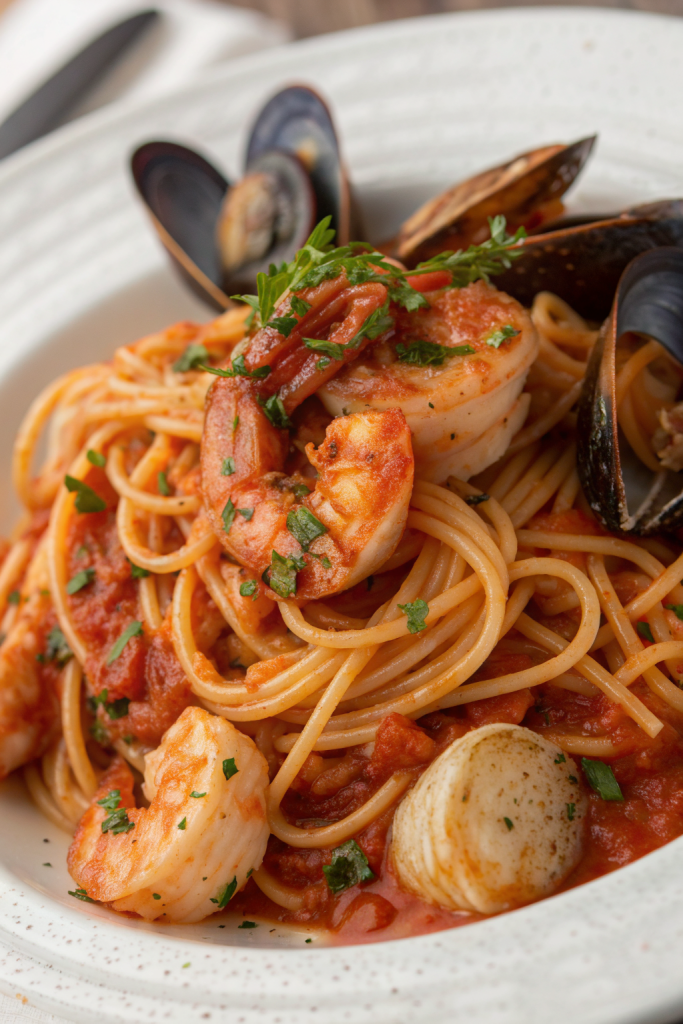
Shrimp Pasta Recipe tastes rich, garlicky, and a little bit fancy while still feeling like cozy weeknight comfort, and it works perfectly for busy cooks who want dinner on the table in about 30 minutes. It suits seafood lovers, date-night-at-home situations, and anyone who wants a restaurant-style shrimp pasta recipe without complicated steps. I tested versions of this so many times that my family started asking if we now live in a shrimp pasta restaurant.
Why Choose This Shrimp Pasta Recipe
This shrimp pasta recipe uses simple ingredients, but it tastes like something you order at a nice Italian spot. The sauce clings to the noodles, the shrimp stay juicy, and the garlic-butter-lemon combo hits all the right notes.
You cook everything in one large pan plus a pot for pasta, so cleanup stays manageable. The recipe scales easily, works with different pasta shapes, and uses pantry shortcuts that save time without sacrificing flavor.
“This shrimp pasta recipe tastes like a splurge but comes together faster than takeout. The shrimp stay tender, the sauce feels silky, and the leftovers reheat shockingly well. My family keeps requesting it on repeat.”
Ingredients You’ll Need
Shrimp
- 1 pound large shrimp, peeled and deveined, tails on or off
- Fresh or frozen both work. If frozen, thaw in the fridge or under cold running water.
- I prefer 16–20 count shrimp so they stay juicy and do not overcook too quickly.
- 1 teaspoon kosher salt
- 1/2 teaspoon black pepper
- 1/2 teaspoon smoked paprika or sweet paprika
- 1/4 teaspoon red pepper flakes, more to taste
Pasta
- 12 ounces pasta
- Spaghetti, linguine, or fettuccine work best for this shrimp pasta recipe.
- Use regular or whole wheat; gluten free pasta also works, but cook it slightly under so it does not break apart.
- 1 tablespoon kosher salt for pasta water
Sauce base
- 3 tablespoons olive oil
- Use a good everyday extra virgin olive oil; no need for the fancy stuff.
- 3 tablespoons unsalted butter
- Salted butter works too; just reduce added salt slightly.
- 5 cloves garlic, finely minced or pressed
- 1 small shallot, finely minced
- 1/2 teaspoon crushed red pepper flakes (adjust to your heat level)
- Zest of 1 lemon
- Juice of 1 large lemon (about 3 tablespoons)
Creamy element and liquid
Choose your style: lighter or creamier.
- 1/2 cup low sodium chicken broth or vegetable broth
- Boxed broth works great; I like Kitchen Basics or Pacific for consistent flavor.
- 1/2 to 3/4 cup heavy cream
- For a lighter version, use half and half and simmer a bit longer to thicken.
- 1/3 cup freshly grated Parmesan cheese, plus more for serving
- Use a block of Parmesan and grate it yourself; pre-grated can clump and feel grainy.
Herbs and finishing touches
- 1/4 cup chopped fresh parsley
- 2 tablespoons chopped fresh basil (optional but tasty)
- Extra lemon wedges for serving
- Extra red pepper flakes for serving
Pantry shortcuts and substitutions
- Use frozen shrimp that you keep on hand so this shrimp pasta recipe stays weeknight friendly.
- Swap shallot with 1/4 cup very finely chopped yellow onion if needed.
- Use bottled lemon juice in a pinch, but fresh lemon gives brighter flavor.
- Skip cream and use extra broth plus a splash of pasta water for a lighter, non creamy shrimp pasta.
Equipment list
- Large pot for boiling pasta
- Large skillet or sauté pan, 12 inches or wider, so the shrimp cook in one layer
- Tongs or a spatula
- Measuring cups and spoons
- Microplane or small grater for lemon zest and Parmesan
- Colander for draining pasta
Tips & Tricks
- Pat shrimp very dry with paper towels so they sear instead of steam.
- Salt the pasta water generously so the noodles carry flavor into the sauce.
- Cook pasta to just shy of al dente, then finish it in the sauce with a splash of pasta water.
- Use a large skillet so shrimp cook in a single layer and stay tender.
- Add garlic after the shrimp sear or lower the heat so the garlic does not burn.
- Keep a cup of hot pasta water before draining; it turns the sauce silky and helps it cling.
- Add Parmesan off the heat and stir constantly so it melts smoothly without clumping.
- Taste at the end and adjust salt, lemon, and red pepper flakes until it sings.
How to Make Shrimp Pasta Recipe
Step 1: Season and prep the shrimp
Pat the shrimp very dry with paper towels and place them in a bowl. Add kosher salt, black pepper, smoked paprika, and red pepper flakes. Toss until the shrimp look evenly coated, then set the bowl aside while you prep the rest.
Step 2: Cook the pasta
Bring a large pot of water to a boil and add 1 tablespoon kosher salt. Add the pasta and stir so it does not stick. Cook until the pasta reaches just shy of al dente, usually 1 to 2 minutes less than the package suggests.
Scoop out about 1 cup of the starchy pasta water and set it aside. Drain the pasta in a colander, then leave it nearby. Toss the pasta with a tiny drizzle of olive oil if it sits for more than a few minutes so it does not clump.
Step 3: Sear the shrimp
Heat 1 1/2 tablespoons olive oil and 1 tablespoon butter in a large skillet over medium high heat. When the butter foams and the pan feels hot, add the shrimp in a single layer. Cook 1 to 2 minutes per side until the shrimp turn pink and opaque at the edges and curl slightly.
Pull one shrimp and cut into it; if the center looks just opaque, you nailed it. Transfer the shrimp to a plate and keep them near the stove. Do not overcook them now, because they go back into the pan later.
Step 4: Sauté aromatics
Lower the heat to medium and add the remaining 1 1/2 tablespoons olive oil and 2 tablespoons butter to the same skillet. Add the minced shallot and cook 2 to 3 minutes until it softens and turns translucent. Add the garlic and cook 30 to 60 seconds until it smells fragrant.
Sprinkle in the red pepper flakes and lemon zest and stir. Scrape the bottom of the pan with a wooden spoon to pick up any browned bits from the shrimp. Those bits carry tons of flavor into the sauce.
Step 5: Build the sauce
Pour in the broth and stir. Let the mixture simmer 2 to 3 minutes so it reduces slightly. Add the heavy cream and stir again until the sauce looks smooth and pale.
Let the sauce bubble gently for 3 to 5 minutes, stirring often, until it thickens enough to coat the back of a spoon. Taste and add a pinch of salt if needed. Keep the heat at a gentle simmer so the cream does not scorch.
Step 6: Add cheese and pasta water
Turn the heat to low. Add the grated Parmesan in small handfuls, stirring constantly until it melts into the sauce. If the sauce looks too thick, add a splash of reserved pasta water and stir until it loosens and turns glossy.
If the sauce looks too thin, let it simmer a minute or two more, stirring often. You want a creamy, pourable sauce that still clings to the spoon. Taste again and adjust salt and red pepper flakes.
Step 7: Combine pasta and shrimp
Add the drained pasta directly into the skillet with the sauce. Toss with tongs until every strand looks coated. Add a splash or two of pasta water as needed so the sauce stays silky and does not clump.
Return the shrimp and any juices from the plate to the skillet. Toss gently so you do not break the shrimp. Warm everything together for 1 to 2 minutes over low heat, just until the shrimp heat through.
Step 8: Finish with lemon and herbs
Turn off the heat. Add the lemon juice, chopped parsley, and basil if you use it. Toss again and taste one last time.
Adjust with more lemon juice, salt, or red pepper flakes until it hits your favorite balance of bright, creamy, and slightly spicy. Plate the shrimp pasta recipe and top with extra Parmesan and a sprinkle of herbs. Serve with lemon wedges on the side.
What to Serve with Shrimp Pasta Recipe
This shrimp pasta recipe pairs beautifully with a simple green salad with crisp lettuce, cucumber, and a light vinaigrette. Add garlic bread or warm crusty bread so you can scoop up every bit of sauce. Steamed or roasted broccoli, asparagus, or green beans balance the richness and add color to the plate.
You can also serve a fruit salad with berries, orange slices, or melon for a fresh, sweet finish. If you want a cozy touch, add a small bowl of tomato soup or vegetable soup on the side.
Storage Options
- Store leftover shrimp pasta in an airtight container in the fridge for up to 3 days.
- Reheat gently in a skillet over low heat with a splash of water, broth, or milk so the sauce loosens and the shrimp do not overcook.
- You can freeze the pasta for up to 1 month, but the texture of the shrimp and cream sauce feels best when you enjoy it fresh or from the fridge.
- If you freeze it, thaw overnight in the fridge, then reheat slowly on the stove and add a bit of fresh lemon and Parmesan to perk it up.
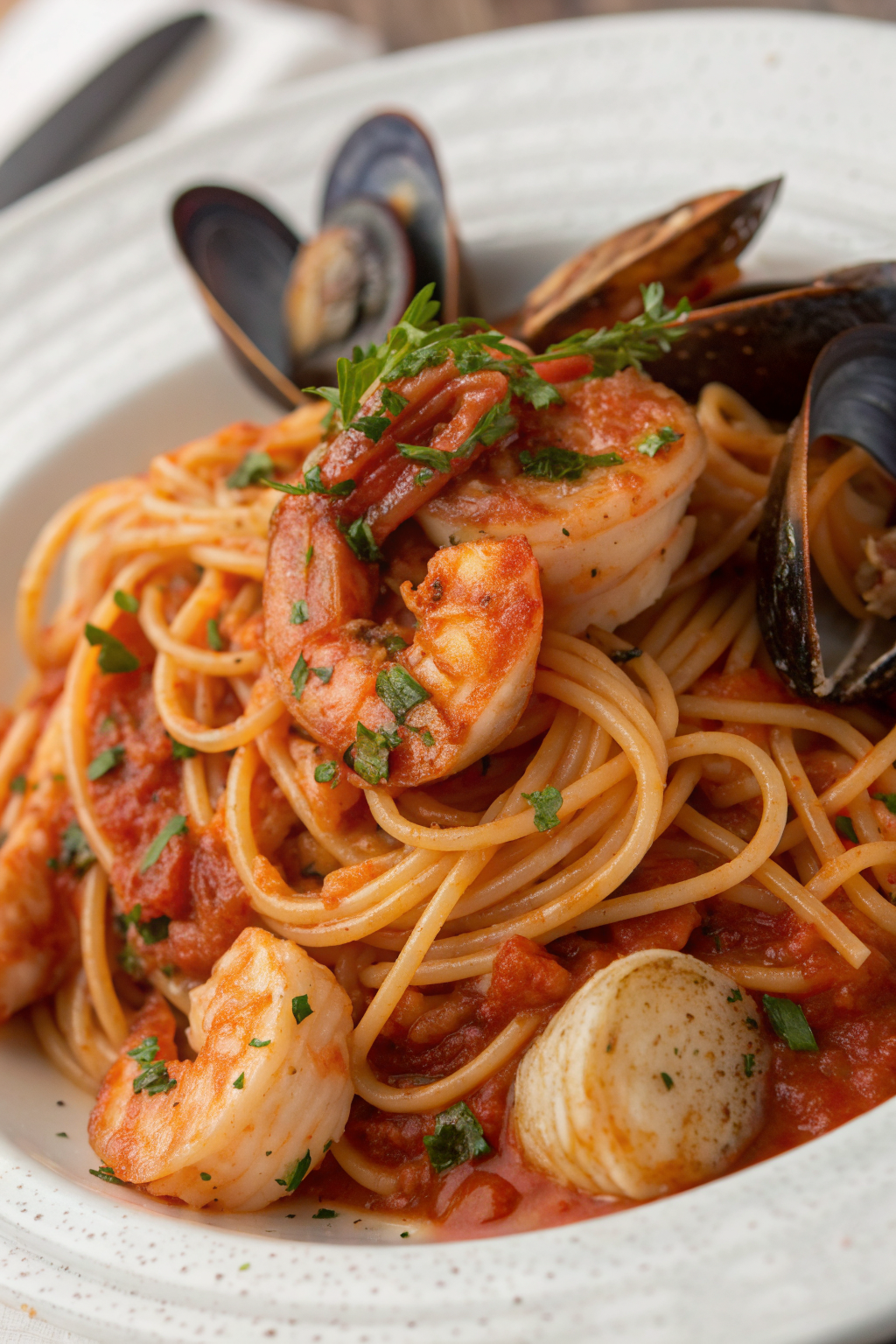
Shrimp Pasta Recipe
Ingredients
Instructions
- Cook the pasta in a large pot of salted boiling water according to package directions until al dente. Reserve 1/2 cup of pasta water, then drain.
- While the pasta cooks, pat the shrimp dry and season lightly with salt and black pepper.
- Heat the olive oil and 1 tablespoon of the butter in a large skillet over medium-high heat. Add the shrimp in a single layer and cook 1–2 minutes per side until pink and just cooked through. Transfer the shrimp to a plate and set aside.
- Reduce the heat to medium, add the remaining butter to the skillet, then add the garlic and red pepper flakes. Cook, stirring often, for about 30 seconds until fragrant, being careful not to brown the garlic.
- Pour in the white wine or chicken broth, scraping up any browned bits from the bottom of the pan. Simmer for 2–3 minutes to reduce slightly.
- Stir in the heavy cream and bring to a gentle simmer. Cook for 3–4 minutes, then add the Parmesan cheese and stir until melted and the sauce is smooth. Season with salt and black pepper to taste.
- Add the cooked pasta and shrimp to the skillet, tossing to coat in the sauce. If needed, add a splash of reserved pasta water to loosen the sauce.
- Stir in the lemon juice and chopped parsley. Remove from heat and adjust seasoning if necessary.
- Serve immediately, garnished with additional Parmesan and parsley if desired.
Notes
Approximate per serving (1/4 of recipe): 640 calories; fat 32 g; saturated fat 16 g; carbohydrates 54 g; fiber 2 g; sugars 3 g; protein 32 g; sodium 880 mg. Values are estimates and will vary based on specific brands, ingredient substitutions, and portion sizes.
Leave a Reply