
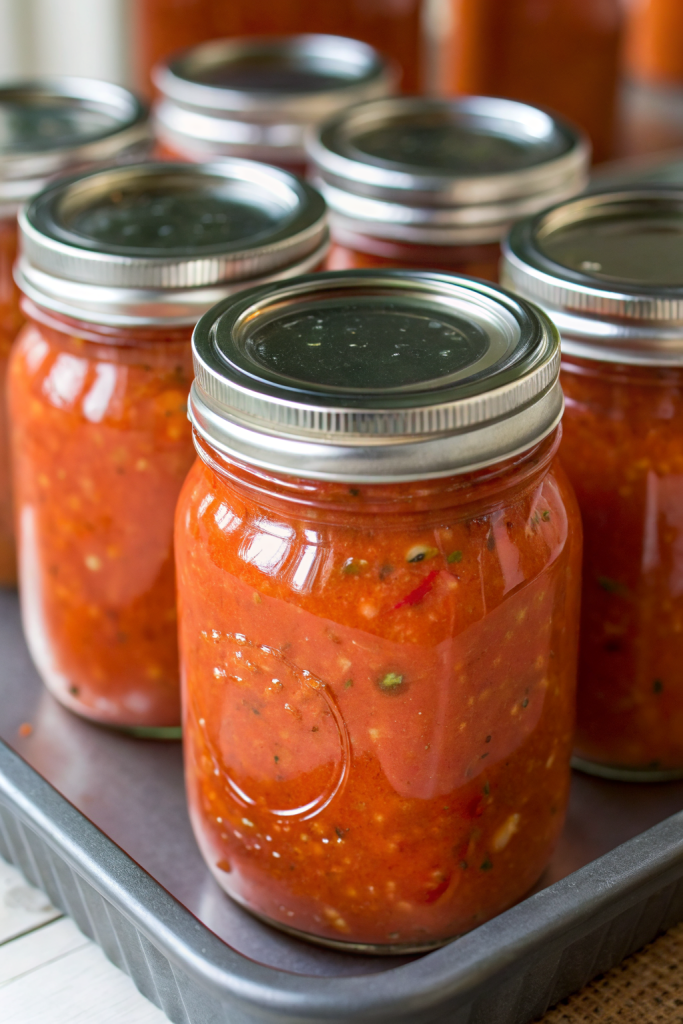
Best Ways To Preserve Tomatoes means juicy summer flavor in the middle of January, and it tastes bright, sweet, and a little tangy in all the best ways. It works for busy home cooks who want easy, low-waste methods and a mix of quick and long-term options, and you can tackle most of it in a relaxed weekend afternoon. I grew up in a tomato-obsessed family, so I learned early that you never waste a good tomato, you just give it a second life.
Why Choose This Best Ways To Preserve Tomatoes
These methods keep that garden-fresh tomato flavor close to what you picked, not like the sad, mealy winter tomatoes at the store. You get options that fit different lifestyles: quick freezing, slow roasting, simple canning, and even no-cook tricks.
You also stretch your grocery budget and cut food waste, which always feels good. Once you stock your pantry and freezer with preserved tomatoes, weeknight dinners turn into “open jar, heat, eat” situations.
“This guide turned my overflowing tomato haul into sauces, freezer packs, and snacks that tasted like peak summer in every bite. ★★★★★”
Ingredients You’ll Need
You can use these ingredients across multiple methods, so you do not need separate shopping trips for every style.
Core ingredients
- Fresh tomatoes
- Roma or plum tomatoes: best for canning, sauce, and paste
- Cherry or grape tomatoes: best for roasting and quick freezing
- Beefsteak or heirloom: best for slow roasting, juice, and fresh freezing
- Kosher salt or sea salt (avoid iodized for canning; it can cloud liquids)
- Fresh garlic cloves
- Yellow or sweet onions
- Extra-virgin olive oil (choose a mid-range brand; no need for the fancy stuff)
- Fresh herbs: basil, oregano, thyme, rosemary, parsley
- Dried herbs: Italian seasoning, dried basil, dried oregano
- Black pepper, red pepper flakes
Acid and safety ingredients
- Bottled lemon juice (consistent acidity helps canning safety)
- Distilled white vinegar or apple cider vinegar
- Citric acid powder (optional but handy for canning tomatoes)
Optional flavor boosters
- Tomato paste (great shortcut to thicken sauces)
- Sugar or honey (just a pinch to balance acidity)
- Balsamic vinegar (tiny splash in roasted tomatoes)
- Smoked paprika or chipotle powder (for smoky sauces)
Equipment list
- Large stockpot or Dutch oven
- Sharp chef’s knife and paring knife
- Cutting board
- Large mixing bowls
- Sheet pans with rims
- Parchment paper or silicone baking mats
- Canning jars with new lids and rings (pint and quart sizes)
- Water bath canner or a very deep, wide pot with a rack
- Slotted spoon and ladle
- Immersion blender or regular blender
- Large freezer bags or freezer-safe containers
- Permanent marker and labels
- Colander or mesh strainer
- Clean kitchen towels
Tips & Tricks
- Choose firm, ripe tomatoes without soft spots or mold.
- Use slightly underripe tomatoes for canning; they hold texture better.
- Score an “X” on the bottom of each tomato and blanch 30 to 60 seconds to peel easily.
- Chill blanched tomatoes in ice water so skins slip off without burning your fingers.
- Taste and sort: use the sweetest ones for sauce and roasted tomatoes, and the more acidic ones for salsa or juice.
- Roast tomatoes low and slow at 275–300°F to deepen flavor without burning.
- Line sheet pans with parchment so roasted tomatoes release easily and clean up quickly.
- Cool cooked tomatoes completely before freezing to avoid ice crystals.
- Pack tomatoes in smaller containers so you thaw only what you need.
- Label every jar or bag with contents and date; future you will thank present you.
- Use bottled lemon juice or citric acid for canning because it stays consistent in acidity.
- Leave proper headspace in jars so they seal correctly and do not leak.
- Wipe jar rims well before adding lids to prevent sealing issues.
- Keep a timer nearby and follow processing times closely for safe canning.
- Freeze cherry tomatoes whole for quick pan-roasting later.
- Blend roasted tomatoes into a thick sauce and freeze in muffin tins for easy portions.
- Turn tomato skins into a snack by drying them with salt and a little olive oil.
- Keep herbs light when you preserve; add more fresh herbs when you reheat.
- Taste preserved tomatoes before seasoning your dish so you do not oversalt.
- Rotate your stash and use the oldest jars and bags first.
How to Make Best Ways To Preserve Tomatoes
Step 1: Sort, wash, and prep the tomatoes
Rinse tomatoes under cool water and dry them with a clean towel. Sort them into piles: best-looking ones for canning and sauce, slightly soft ones for roasting or freezing, and cherry tomatoes in their own pile. Trim off stems, bruises, and any questionable spots.
If you plan to peel, score a small “X” on the bottom of each tomato with a paring knife. Keep a big bowl of ice water nearby so you can cool blanched tomatoes quickly.
Step 2: Blanch and peel (optional but helpful)
Bring a large pot of water to a gentle boil. Drop tomatoes in batches into the hot water and cook 30 to 60 seconds until skins start to loosen and wrinkle at the “X.” Scoop tomatoes out with a slotted spoon and drop them into the ice water.
Slip the skins off with your fingers once they cool enough to handle. Use peeled tomatoes for canning, sauce, and smooth soups. Keep the skins if you want to dry them later into a crunchy topping.
Step 3: Freeze tomatoes whole or chopped
For the fastest method, spread whole cherry tomatoes or cored, quartered larger tomatoes on a parchment-lined sheet pan. Freeze them in a single layer until solid, about 2 to 3 hours. Transfer frozen tomatoes to labeled freezer bags, squeeze out extra air, and seal.
Use whole frozen tomatoes in soups, stews, and sauces where skins do not bother you. Use chopped frozen tomatoes when you want quicker cooking and less texture. This method keeps tomatoes in the freezer for about 6 to 8 months.
Step 4: Roast tomatoes for intense flavor
Preheat your oven to 275–300°F. Halve Roma or cherry tomatoes and place them cut side up on a parchment-lined sheet pan. Drizzle lightly with olive oil and sprinkle with salt, pepper, and optional herbs like thyme or oregano.
Roast 2 to 3 hours until tomatoes shrink, concentrate, and caramelize around the edges. Taste one and adjust salt if needed. Cool completely, then pack into jars or containers with a thin layer of olive oil on top and store in the fridge or freezer.
Step 5: Make a simple tomato sauce to freeze
Chop peeled or unpeeled tomatoes into chunks. Heat olive oil in a large pot over medium heat, then add chopped onion and cook until soft and lightly golden. Add minced garlic and cook 30 seconds until fragrant.
Add the tomatoes, salt, pepper, and a pinch of red pepper flakes. Simmer 30 to 45 minutes, stirring occasionally, until the sauce thickens and tastes rich. Blend with an immersion blender if you want a smoother sauce, then cool completely.
Spoon sauce into freezer containers or freezer bags, leaving a little room at the top for expansion. Label with date and “basic tomato sauce” plus any special flavors you added. Freeze up to 6 months and use in pasta, casseroles, and skillet dinners.
Step 6: Can crushed tomatoes with a water bath
Fill your canner or deep pot with water and heat it until it steams but does not boil. Sterilize jars by washing them in hot soapy water and rinsing well, then keep them hot in the canner water. Keep lids and rings clean and nearby.
Chop peeled tomatoes and place them in a large pot. Add a bit of tomato juice or water if they look dry, then bring to a gentle boil and cook 5 to 10 minutes. Stir often so they do not stick.
Add bottled lemon juice or citric acid to each hot jar: typically 1 tablespoon bottled lemon juice per pint or 2 tablespoons per quart, or follow the citric acid instructions on the package. Ladle hot tomatoes into jars, leaving about 1/2 inch headspace. Remove air bubbles with a clean utensil, wipe rims, place lids on, and screw on rings fingertip tight.
Lower jars into the canner, make sure water covers them by at least 1 to 2 inches, and bring to a full boil. Process pints and quarts according to a trusted, up-to-date canning chart that matches your altitude and tomato style. Turn off heat, let jars sit a few minutes, then lift them out and set them on a towel to cool.
Check seals once jars cool completely. Store sealed jars in a cool, dark place and use within 12 to 18 months. Use any unsealed jars right away and keep them in the fridge.
Step 7: Make tomato paste or thick concentrate
Use very ripe Roma or plum tomatoes for this step. Chop them and cook them in a large pot with a little salt until they break down and release liquid. Blend until smooth, then push through a strainer or food mill to remove seeds and any remaining skin.
Return the smooth puree to the pot and cook over low heat, stirring often, until it thickens into a deep, rich paste. Add a tiny drizzle of olive oil if you want extra richness. Cool completely.
Spoon paste into small jars or freeze it in ice cube trays for easy portions. Once frozen, pop cubes into a freezer bag and label. Use a cube or spoonful to deepen flavor in soups, sauces, and braises.
Step 8: Dry tomato skins or slices
Spread clean tomato skins or thin slices on a parchment-lined sheet pan. Brush lightly with olive oil and sprinkle with salt and optional herbs. Set your oven to its lowest temperature, usually around 170–200°F.
Dry 2 to 4 hours until skins or slices feel crisp and no longer bend. Let them cool, then crush skins into flakes or crumble slices into small pieces. Store in a small jar and sprinkle on salads, eggs, pasta, or avocado toast.
Step 9: Make quick tomato juice or puree
Blend chopped tomatoes with a pinch of salt until smooth. Strain through a fine mesh sieve if you want a smoother juice. Taste and adjust salt.
Pour into jars or containers and chill in the fridge for a few days or freeze for longer storage. Use tomato juice in soups, stews, braises, and as a base for sauces. Use thicker puree when you want more body in chili or curry.
Step 10: Keep a “use it now” bowl in the fridge
Chop any leftover odds and ends of tomatoes and toss them with a little olive oil, salt, and maybe some minced garlic. Store this mix in a covered container in the fridge. Use it within 3 to 4 days.
Spoon it over toast, toss it with hot pasta, or stir it into scrambled eggs. This bowl saves every last bit of tomato and turns random scraps into easy meals.
What to Serve with Best Ways To Preserve Tomatoes
Preserved tomatoes love simple, cozy pairings. Spoon roasted tomatoes over crusty bread with a little fresh basil, or swirl tomato sauce into creamy polenta or mashed potatoes. Add frozen or canned tomatoes to vegetable soups, bean stews, or skillet chicken and let them simmer together.
Serve tomato paste cubes melted into broth for a quick tomato soup and pair it with grilled cheese or a big green salad. Use tomato juice as the base for rice dishes, lentil stews, or slow-cooked beans. Every version of preserved tomatoes brings brightness and depth to basic pantry meals.
Storage Options
-
Fridge
- Roasted tomatoes in olive oil: 1 to 2 weeks in a sealed jar.
- Fresh tomato sauce: 4 to 5 days in an airtight container.
- Tomato juice or puree: 3 to 4 days in a jar or bottle.
- “Use it now” chopped tomato bowl: 3 to 4 days.
-
Freezer
- Whole or chopped frozen tomatoes: 6 to 8 months in freezer bags.
- Tomato sauce: 6 months in containers or flat freezer bags.
- Tomato paste cubes: 8 to 10 months in a labeled freezer bag.
- Roasted tomatoes: 6 months in containers, with a thin layer of oil on top.
-
Pantry (canned)
- Properly canned crushed tomatoes or sauce: 12 to 18 months in a cool, dark place.
- Check lids before opening and discard any jar that shows bulging, leaking, or off smells.
-
Reheating methods
- Warm tomato sauce and roasted tomatoes gently in a saucepan over low to medium heat.
- Add a splash of water or broth if the texture looks too thick.
- Add fresh herbs and a drizzle of olive oil at the end to brighten flavor.
- Use frozen tomatoes straight in soups and stews; they thaw as they cook.
Leave a Reply