
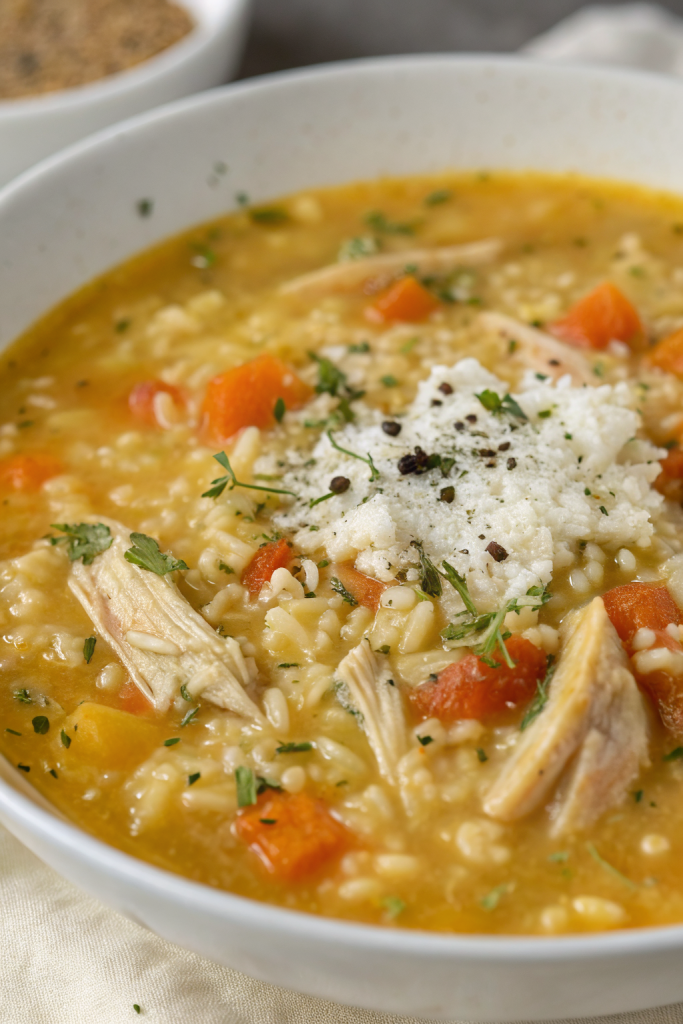
Italian Penicillin Soup Recipe tastes like a hug in a bowl: rich chicken broth, tender pasta, bright lemon, and plenty of garlic that clears your head in the best way. It works perfectly for busy weeknights, sick days, or cozy Sundays and usually lands on the table in about 45–55 minutes. I started making this for my own stubborn winter colds, and now my family asks for it even when nobody sniffles.
Why Choose This Italian Penicillin Soup Recipe
This Italian Penicillin Soup Recipe layers flavor from the start with a proper sauté of vegetables, garlic, and tomato paste, so the broth tastes deep and comforting without a long simmer. Fresh lemon, herbs, and a sprinkle of Parmesan keep it bright and lively, not heavy.
The recipe uses simple pantry staples like boxed broth, dried pasta, and canned tomatoes, so you can pull it off even when you feel lousy. You can also scale it easily, so you feed one sick friend or a whole under‑the‑weather crew.
“This Italian Penicillin Soup Recipe tastes like nonna and a doctor teamed up in your kitchen, and every spoonful feels like medicine with flavor. ★★★★★”
Ingredients You’ll Need
Main ingredients
-
Olive oil
Use extra virgin if you have it, but any mild olive oil works. -
Chicken thighs, boneless and skinless, 1½ to 2 pounds
Thighs stay juicy and add richer flavor than breasts. Use rotisserie chicken in a pinch and add it near the end. -
Kosher salt and freshly ground black pepper
Season in layers so the soup tastes well rounded. -
Yellow onion, 1 large, diced
Use prechopped frozen onion if you feel under the weather. -
Carrots, 2 medium, diced
Baby carrots work fine; just chop them small so they soften quickly. -
Celery, 2 stalks, diced
-
Garlic, 6 to 8 cloves, minced
Jarred minced garlic works as a shortcut, though fresh gives better flavor. -
Tomato paste, 2 tablespoons
Squeeze tubes keep well in the fridge and make measuring easy. -
Crushed red pepper flakes, ¼ teaspoon (optional)
Add more if you like a little kick. -
Low sodium chicken broth or stock, 8 cups
Boxed broth works great; choose low sodium so you control the salt. -
Water, 1 to 2 cups as needed
Use this to thin the soup if it thickens too much. -
Canned diced tomatoes, 1 can (14.5 ounces)
Fire roasted tomatoes add a subtle smoky note. -
Small pasta, 1 to 1½ cups
Ditalini, orzo, small shells, or elbow macaroni all work. Use gluten free pasta if needed. -
Fresh lemon juice, from 1 to 2 lemons
Bottle lemon juice works in a pinch, but fresh tastes brighter. -
Fresh parsley, ¼ cup chopped
Use dried parsley if needed; start with 1 tablespoon. -
Fresh basil, a handful, chopped (optional)
-
Fresh or dried thyme
Use 1 teaspoon dried or 1 tablespoon fresh leaves. -
Bay leaf, 1
-
Parmesan rind (optional but highly recommended)
Drop a rind from a wedge of Parmigiano Reggiano into the pot for extra depth. -
Grated Parmesan cheese, for serving
Optional “penicillin boost” add‑ins
-
Fresh ginger, 1 to 2 teaspoons finely grated
Adds a gentle heat and extra soothing quality. -
Turmeric, ¼ teaspoon ground
Adds color and a subtle earthy note. -
Baby spinach or chopped kale, 2 to 3 cups
Stir in at the end so it stays vibrant.
Pantry shortcuts
- Use pre‑shredded rotisserie chicken instead of raw thighs to cut cooking time.
- Use frozen mirepoix mix (onion, carrot, celery) instead of chopping vegetables.
- Use better‑than‑bouillon style base with water if you do not have boxed broth.
- Use pre‑grated Parmesan if you feel too tired to grate a block.
Equipment list
- Large heavy pot or Dutch oven (at least 5 to 6 quarts)
- Cutting board and sharp knife
- Wooden spoon or heatproof spatula
- Measuring cups and spoons
- Ladle for serving
- Small pot if you prefer to cook pasta separately
Tips & Tricks
- Brown the chicken lightly in the pot first so it leaves flavorful bits on the bottom that enrich the broth.
- Sauté onion, carrot, and celery until they turn soft and slightly golden to build a deeper base.
- Add garlic and tomato paste near the end of the sauté and cook until the tomato paste darkens a bit to remove any raw taste.
- Use low sodium broth so you season gradually and avoid oversalting.
- Keep pasta slightly undercooked, since it continues to soften in the hot broth.
- Cook pasta separately if you plan leftovers, then add it to each bowl so it does not soak up all the broth.
- Stir in lemon juice at the end and taste as you go so the soup tastes bright but not sour.
- Add tender greens like spinach or basil in the last couple of minutes so they stay vibrant.
- Remove the bay leaf and Parmesan rind before serving so nobody bites into them.
- Taste the soup right before serving and adjust salt, pepper, and lemon to match your mood and your cold level.
How to Make Italian Penicillin Soup Recipe
Step 1: Prep the ingredients
Chop onion, carrots, and celery into small, even pieces so they cook at the same rate. Mince the garlic, chop the herbs, and juice the lemons. Cut chicken thighs into bite‑size chunks and pat them dry with paper towels so they brown better.
Step 2: Brown the chicken
Heat 1 to 2 tablespoons of olive oil in your large pot over medium high heat. Season chicken pieces with salt and pepper, then add them in a single layer. Sear them for 3 to 4 minutes per side until they look golden in spots, then transfer them to a plate; they do not need to cook through yet.
Step 3: Sauté the vegetables
Lower the heat to medium and add another drizzle of olive oil if the pot looks dry. Add onion, carrot, and celery with a pinch of salt and cook 6 to 8 minutes, stirring often, until they soften and start to turn golden at the edges. Scrape up any browned bits from the bottom of the pot as the vegetables release moisture.
Step 4: Build the flavor base
Add minced garlic, red pepper flakes, ginger, and turmeric, if you use them. Stir and cook about 1 minute until the garlic smells fragrant. Add tomato paste and cook 2 to 3 minutes, stirring, until it darkens in color and thickens slightly.
Step 5: Add liquids and seasonings
Pour in the chicken broth and 1 cup of water, then stir well to combine with the vegetable mixture. Add the canned diced tomatoes with their juices, bay leaf, thyme, and Parmesan rind if you have one. Return the browned chicken and any juices from the plate to the pot and stir.
Step 6: Simmer the soup
Bring the pot to a gentle boil, then lower the heat to maintain a steady simmer. Cover the pot partially and cook 20 to 25 minutes, stirring occasionally, until the chicken turns tender and the flavors meld. Taste the broth halfway through and adjust salt and pepper if needed.
Step 7: Cook the pasta
You can cook the pasta directly in the soup or in a separate pot.
- In the soup: Stir the dry pasta into the simmering soup and cook until it reaches al dente, usually 7 to 10 minutes depending on shape.
- Separately: Boil pasta in salted water until al dente, drain, and toss with a little olive oil, then add to bowls as you serve.
Step 8: Add greens and fresh herbs
Stir in spinach or kale during the last 3 to 5 minutes of cooking. Let the greens wilt and soften but keep their color. Add chopped parsley and basil right at the end so they stay fresh and aromatic.
Step 9: Finish with lemon and Parmesan
Turn off the heat and remove the bay leaf and Parmesan rind. Stir in lemon juice, starting with the juice of one lemon, then taste and add more if you want a brighter flavor. Ladle the Italian Penicillin Soup Recipe into bowls and top with grated Parmesan, extra herbs, and a little black pepper.
What to Serve with Italian Penicillin Soup Recipe
Serve Italian Penicillin Soup Recipe with warm crusty bread or garlic bread so you can soak up every drop of broth. A simple green salad with olive oil, lemon, and a pinch of salt balances the cozy richness of the soup. Kids usually love it with buttered toast or grilled cheese on the side. Pair it with sparkling water, herbal tea, or a citrusy mocktail to keep the soothing vibe going.
Storage Options
- Cool the soup to room temperature within 1 to 2 hours, then store it in airtight containers in the fridge for up to 4 days.
- If you plan to store leftovers, keep pasta in a separate container so it does not soak up all the broth.
- Freeze the soup without pasta in freezer safe containers or bags for up to 3 months; add freshly cooked pasta when you reheat.
- Reheat gently on the stove over medium low heat until it steams, or warm single portions in the microwave in 1 minute bursts, stirring between each, and add a splash of water or broth if it thickens.
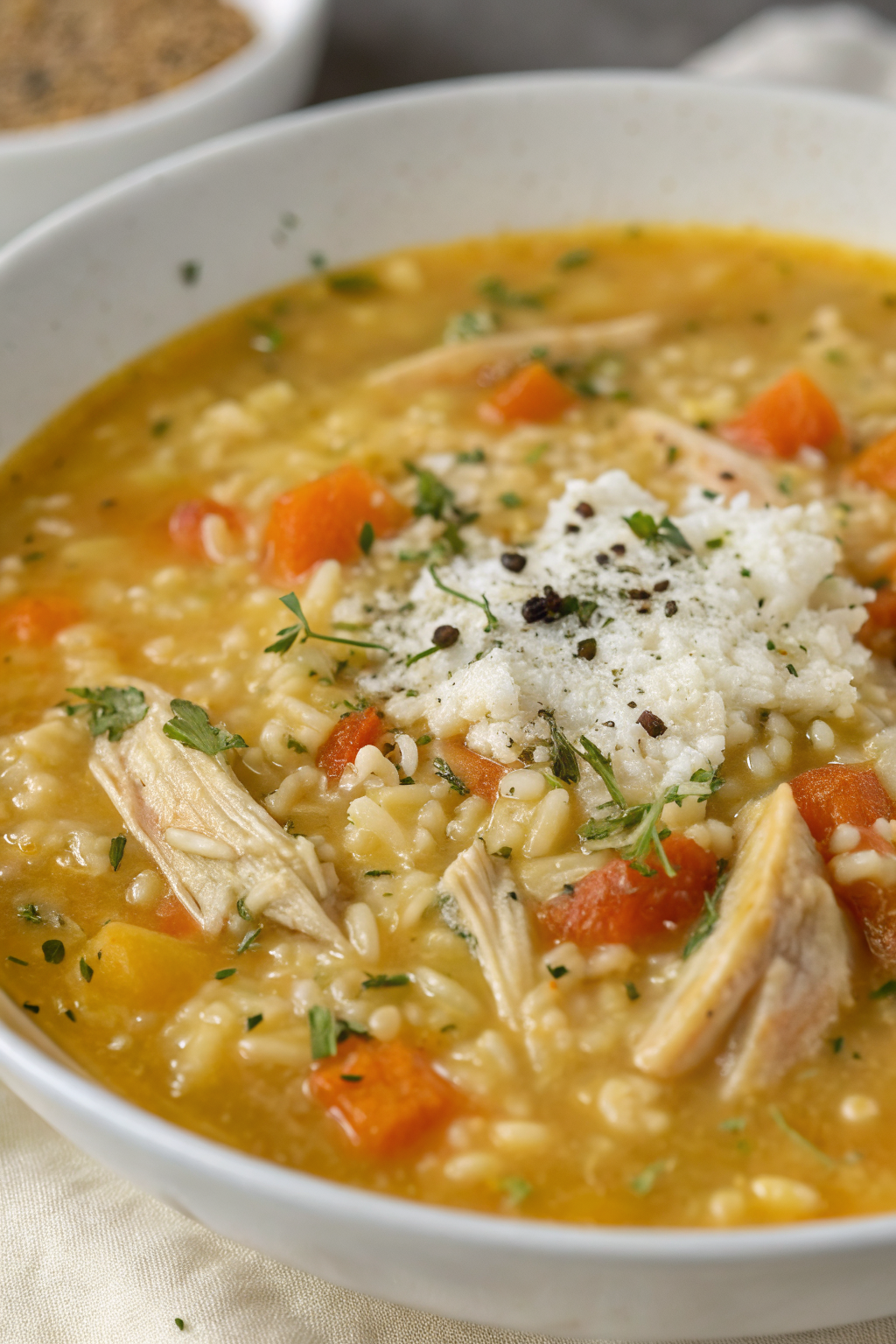
Italian Penicillin Soup Recipe
Ingredients
Instructions
- Heat the olive oil in a large pot over medium heat. Add the chicken thighs, skin side down, and sear until the skin is deeply golden and some fat has rendered, about 5–7 minutes. Flip and sear the other side for 3–4 minutes. Transfer chicken to a plate.
- Add the onion, carrots, and celery to the pot and cook in the rendered fat, stirring occasionally, until softened, 5–7 minutes.
- Stir in the garlic, dried oregano, dried thyme, and crushed red pepper flakes (if using). Cook until fragrant, about 1 minute.
- Pour in the chicken broth and scrape up any browned bits from the bottom of the pot. Return the chicken thighs and any accumulated juices to the pot. Bring to a simmer, then reduce heat to low, cover, and cook for 20 minutes, or until the chicken is cooked through and tender.
- Remove the chicken to a cutting board. Add the pasta to the simmering broth and cook according to package directions until al dente, usually 8–10 minutes.
- While the pasta cooks, discard the chicken skin and bones, then shred the meat into bite-size pieces.
- When the pasta is almost done, stir in the shredded chicken and chopped kale or spinach. Simmer for 2–3 minutes, just until the greens are wilted and everything is heated through.
- Stir in the lemon juice and grated Parmesan cheese. Season the soup to taste with salt and freshly ground black pepper.
- Ladle the soup into bowls and top with extra Parmesan and chopped fresh parsley, if desired. Serve hot.
Notes
Approximate per serving (1/6 of recipe): 310–340 calories; fat 14 g; saturated fat 4 g; carbohydrates 26 g; fiber 2 g; sugars 4 g; protein 23 g; sodium 620 mg. Values are estimates and will vary based on specific ingredients, broth brand, and portion size.
Leave a Reply