
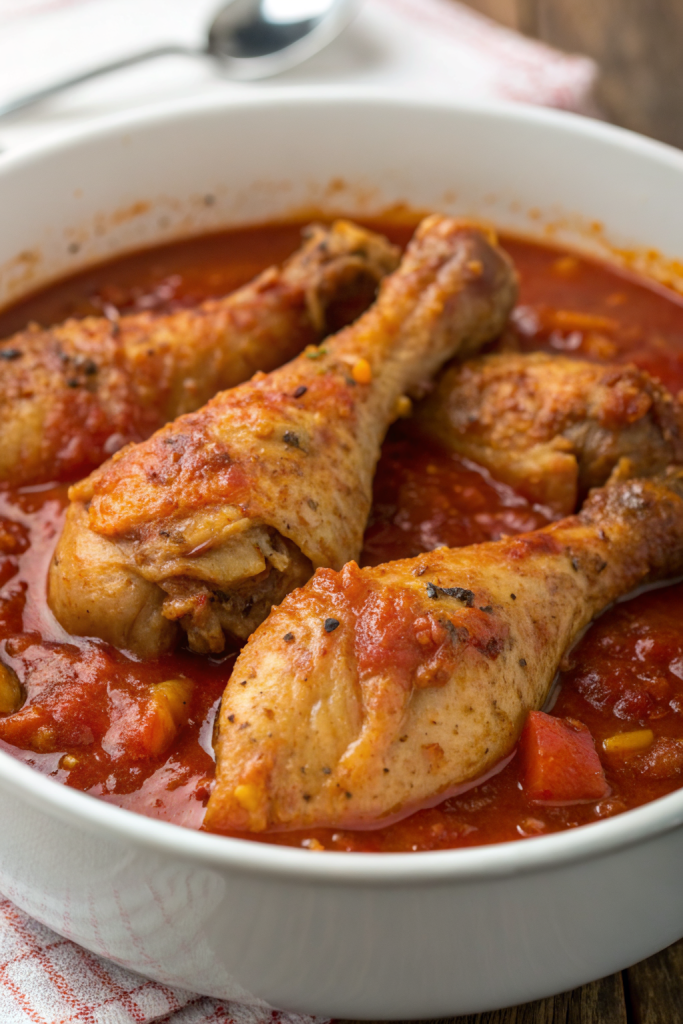
Korean Braised Spicy Chicken (Dak Doritang) Recipe hits that perfect spot between cozy comfort food and bold, punchy flavor, with tender chicken, soft potatoes, and a rich, spicy broth that begs for a big bowl of rice. It works well for busy weeknights or casual weekend dinners, and you can get it on the table in about 45–55 minutes. I first learned this dish from a Korean neighbor in my tiny first apartment, and I still think of her every time the gochujang hits the pan.
Why You Should Try This Korean Braised Spicy Chicken (Dak Doritang) Recipe
This Korean Braised Spicy Chicken (Dak Doritang) recipe gives you restaurant-level flavor with simple, grocery-store ingredients. The chicken turns juicy and tender, the potatoes soak up all that spicy-savory sauce, and the broth lands somewhere between a stew and a rich soup.
You can adjust the heat level easily, so spice lovers and mild-food fans can both enjoy it. It also cooks in one pot, which means less cleanup and more time to sit and slurp.
“This Korean Braised Spicy Chicken (Dak Doritang) tastes like cozy Korean comfort food in a bowl, with deep flavor that feels like it simmered all day even though it comes together on a weeknight. ★★★★★”
Ingredients You’ll Need
You can make this Korean Braised Spicy Chicken (Dak Doritang) Recipe with simple ingredients, and most Asian markets or well-stocked grocery stores carry everything.
Main ingredients
- 2 pounds bone-in chicken pieces
- Use drumsticks and thighs for the best flavor and tenderness.
- You can use boneless thighs, but shorten the cooking time by about 5–7 minutes.
- 2 medium russet or Yukon Gold potatoes, peeled and cut into large chunks
- 1 medium carrot, sliced into thick coins
- 1 small yellow onion, sliced
- 2–3 green onions, cut into 1-inch pieces
- 1 small zucchini, cut into half moons (optional but tasty)
- 1 cup water or low-sodium chicken broth
Sauce (braising seasoning)
This spicy braising sauce gives Dak Doritang its signature flavor.
- 3 tablespoons gochujang (Korean red chili paste)
- I like brands such as Chung Jung One or CJ Haechandle for balanced heat and sweetness.
- 1–2 tablespoons gochugaru (Korean red chili flakes), to taste
- Use 1 tablespoon for medium heat, 2 tablespoons for a good kick.
- Swap with a mix of mild chili flakes and a pinch of cayenne if you cannot find gochugaru, but the flavor will taste slightly different.
- 3 tablespoons soy sauce
- Use regular or low-sodium; if you use regular, taste before adding extra salt.
- 1 tablespoon oyster sauce (optional, but adds depth and umami)
- 1 tablespoon sugar or honey
- Honey gives a rounder sweetness; sugar tastes more neutral.
- 1 tablespoon rice wine or mirin
- You can use apple juice as a kid-friendly substitute.
- 1 tablespoon minced garlic (about 3–4 cloves)
- 1 teaspoon minced ginger
- 1 teaspoon toasted sesame oil
- ¼ teaspoon black pepper
Garnish
- 1 teaspoon toasted sesame seeds
- Extra sliced green onion
Pantry shortcuts and substitutions
- Use pre-minced garlic and ginger from a jar if you want to save time.
- Use frozen pre-cut mixed vegetables if you do not want to chop; add them near the end so they do not overcook.
- If you cannot find gochujang, mix 2 tablespoons miso paste, 1 tablespoon chili paste (like sambal oelek), and 1 teaspoon sugar as a rough stand-in, though authentic gochujang tastes best.
Equipment list
- Large, heavy-bottomed pot or Dutch oven with lid
- Cutting board and sharp knife
- Measuring spoons and cups
- Mixing bowl for the sauce
- Wooden spoon or heat-safe spatula
Tips & Tricks
- Use bone-in chicken for deeper flavor and juicier meat.
- Cut potatoes into large chunks so they hold shape and do not break down into mush.
- Taste the sauce before adding it to the pot and adjust sweetness or salt to your preference.
- Start with less gochugaru if you feel unsure about the heat, then add more near the end of cooking.
- Brown the chicken lightly to add extra flavor, but do not worry about deep browning; the sauce does most of the work.
- Keep the pot at a gentle simmer, not a hard boil, so the chicken stays tender.
- Stir the bottom of the pot occasionally to prevent sticking, especially once the sauce thickens.
- Add zucchini and green onions near the end so they stay bright and not soggy.
- Serve with plenty of steamed short-grain rice to balance the spicy broth.
- Use kitchen shears to trim extra fat from chicken pieces quickly and cleanly.
How to Make Korean Braised Spicy Chicken (Dak Doritang) Recipe
Step 1: Prep the chicken and vegetables
Pat the chicken pieces dry with paper towels and trim any large pieces of fat. Cut the potatoes into large chunks, about 1½ inch pieces, so they cook through but hold shape. Slice the carrot, onion, zucchini, and green onions, and keep them in separate piles so you can add them at the right times.
If you want to remove some extra chicken flavor intensity, you can briefly blanch the chicken. Place the pieces in boiling water for 2–3 minutes, then drain and rinse. I usually skip this step on busy nights, but it can give a slightly cleaner-tasting broth.
Step 2: Mix the spicy braising sauce
In a medium bowl, add gochujang, gochugaru, soy sauce, oyster sauce, sugar or honey, rice wine or mirin, minced garlic, minced ginger, sesame oil, and black pepper. Stir until the mixture looks smooth and thick, with no big clumps of gochujang. Taste a tiny bit and adjust sweetness or heat based on your preference.
If the sauce tastes very thick, add 1–2 tablespoons of water to loosen it. You want a thick but pourable consistency so it spreads evenly over the chicken and vegetables.
Step 3: Sear the chicken
Place your pot over medium-high heat and add a small drizzle of neutral oil. When the oil shimmers, add the chicken pieces in a single layer, skin side down if your pieces have skin. Sear for 3–4 minutes per side until the surface turns lightly golden.
You do not need a deep brown crust; you just want a bit of color and flavor. Work in batches if your pot feels crowded, and avoid stacking the chicken.
Step 4: Build the base with vegetables and sauce
Once the chicken has some color, add the sliced onion to the pot. Stir and cook for 2–3 minutes until the onion softens slightly and picks up some flavor from the chicken. Add the potatoes and carrots on top of the chicken.
Pour the spicy braising sauce over everything. Add the water or chicken broth around the edges of the pot, not directly on top of the sauce, so the sauce stays mostly on the ingredients. Gently stir to coat the chicken and vegetables in the sauce.
Step 5: Simmer until tender
Bring the pot to a gentle boil over medium-high heat. Once it starts to bubble, lower the heat to medium-low so the mixture simmers steadily. Cover the pot with a lid, leaving it slightly ajar to allow some steam to escape.
Simmer for about 20 minutes, stirring occasionally to keep the bottom from sticking. Check the liquid level; if it looks too thick or starts to catch on the bottom, add a splash of water. The potatoes should start to soften, and the chicken should feel nearly cooked through.
Step 6: Add zucchini and green onions
After about 20 minutes, add the zucchini and most of the green onion pieces, saving a handful for garnish. Stir them gently into the stew so they sit in the broth. Continue to simmer uncovered for another 8–10 minutes.
During this time, the sauce will thicken slightly and cling to the chicken and vegetables. Taste the broth and adjust seasoning with a bit more soy sauce for salt or sugar/honey for sweetness if you want.
Step 7: Check doneness and finish
Check the chicken by cutting into the thickest piece; the juices should run clear and the meat should feel tender but not dry. The potatoes should feel soft when you pierce them with a fork, but they should still hold their shape. If the chicken or potatoes need more time, keep simmering for another 3–5 minutes and check again.
Once everything reaches the right tenderness, turn off the heat. Sprinkle the remaining green onions and toasted sesame seeds over the top. Give the pot a gentle stir and let it sit for 3–5 minutes so the flavors settle.
Step 8: Serve
Spoon generous portions of chicken, potatoes, and vegetables into shallow bowls. Ladle plenty of the spicy broth over the top. Serve hot with steamed white rice on the side, and maybe a few simple Korean banchan like kimchi or cucumber salad if you have them.
If you cook for kids or spice-sensitive friends, serve extra rice and maybe a fried egg on top to mellow the heat. I also like to keep a small dish of extra gochugaru at the table for the spice fans.
What to Serve with Korean Braised Spicy Chicken (Dak Doritang) Recipe
This Korean Braised Spicy Chicken (Dak Doritang) Recipe pairs beautifully with hot steamed short-grain rice, which soaks up the spicy broth and balances the heat. Add a simple side of kimchi, pickled radish, or a crunchy cucumber salad for freshness and contrast. You can also serve it with blanched spinach seasoned with sesame oil and salt, or a basic green salad with a light soy-sesame dressing.
For drinks, think cooling and simple: cold barley tea, iced green tea, or plain sparkling water with lemon all work nicely. If you cook for kids, serve it with milk or a mild yogurt drink to help with the spice.
Storage Options
- Cool leftovers to room temperature within 1 hour, then transfer them to airtight containers.
- Store in the fridge for up to 3–4 days; the flavors deepen and taste even better the next day.
- Freeze portions in freezer-safe containers for up to 2 months, leaving a little space at the top for expansion.
- Thaw frozen Korean Braised Spicy Chicken (Dak Doritang) in the fridge overnight before reheating.
- Reheat gently on the stovetop over medium-low heat with a splash of water until hot and bubbling.
- You can also reheat in the microwave in short bursts, stirring between each round, until heated through.
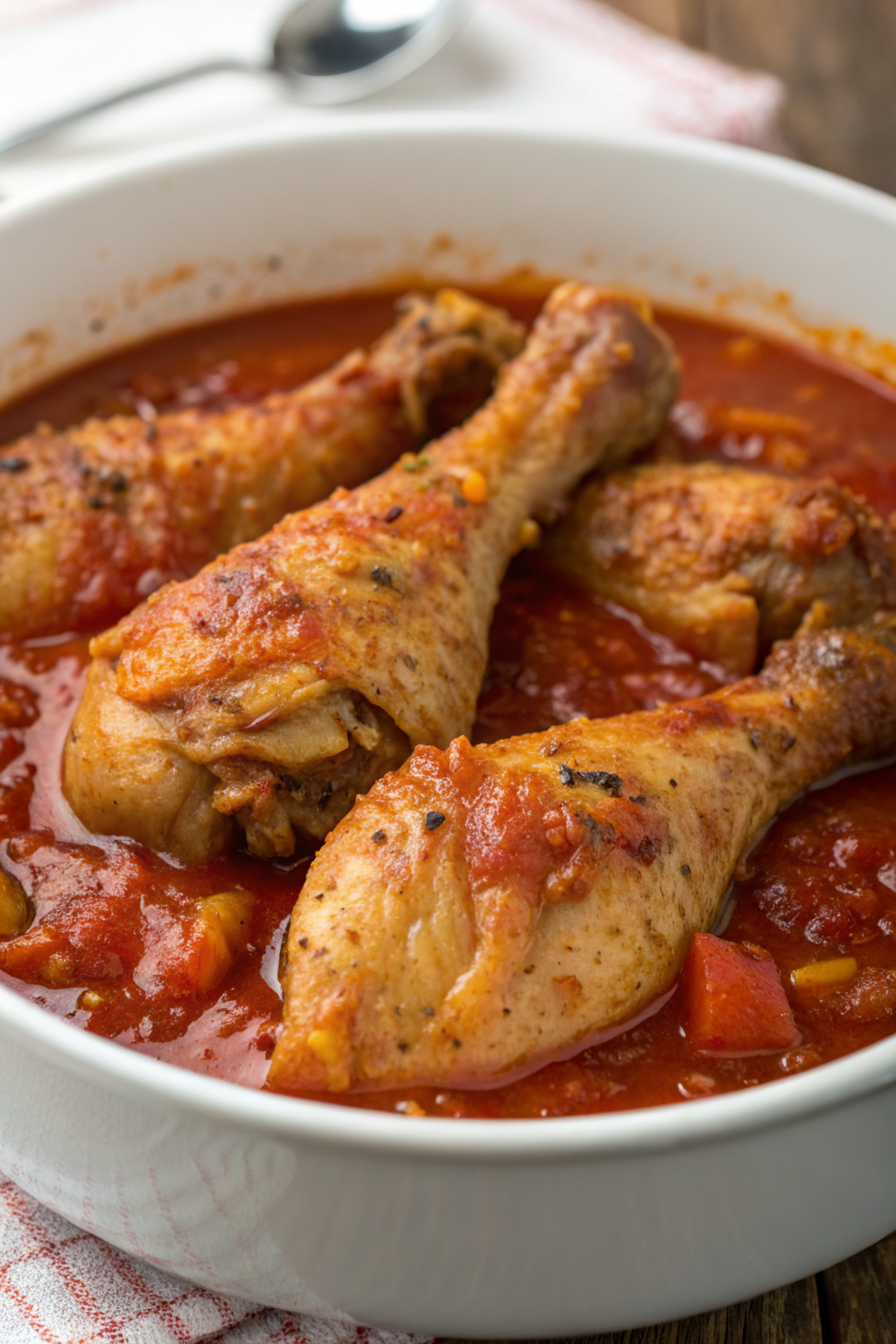
Korean Braised Spicy Chicken (Dak Doritang) Recipe
Ingredients
Instructions
- Pat the chicken pieces dry with paper towels and trim any large pieces of fat. Peel and cut the potatoes into large chunks, slice the carrot and onion, and cut the zucchini and green onions. Keep each vegetable in a separate pile so they can be added at different times.
- In a medium bowl, mix together the gochujang, gochugaru, soy sauce, oyster sauce (if using), sugar or honey, rice wine or mirin, minced garlic, minced ginger, sesame oil, and black pepper until smooth and thick. If the sauce seems too thick, stir in 1–2 tablespoons of water to loosen it slightly.
- Place a large heavy-bottomed pot or Dutch oven over medium-high heat and add a small drizzle of neutral oil. When the oil is hot, add the chicken pieces in a single layer, skin side down if using skin-on pieces. Sear for about 3–4 minutes per side, until lightly golden. Work in batches if necessary so the chicken is not crowded.
- Add the sliced onion to the pot with the chicken and cook for 2–3 minutes, stirring, until the onion softens slightly. Add the potatoes and carrot on top of the chicken.
- Pour the spicy braising sauce over the chicken and vegetables. Add the water or chicken broth around the edges of the pot so the sauce stays mostly on the ingredients. Gently stir to coat the chicken and vegetables evenly with the sauce.
- Bring the pot to a gentle boil over medium-high heat, then reduce the heat to medium-low so it simmers steadily. Cover with a lid, leaving it slightly ajar, and simmer for about 20 minutes, stirring occasionally and adding a splash of water if the sauce becomes too thick or starts to stick.
- After about 20 minutes, add the zucchini and most of the green onion pieces, reserving some green onion for garnish. Stir gently so they sit in the broth and continue to simmer uncovered for another 8–10 minutes, until the sauce thickens slightly and clings to the chicken and vegetables. Taste and adjust seasoning with a little more soy sauce for salt or sugar/honey for sweetness if desired.
- Check the chicken by cutting into the thickest piece to ensure the juices run clear and the meat is tender. The potatoes should be soft but still hold their shape. If needed, simmer for an additional 3–5 minutes.
- Turn off the heat. Sprinkle the remaining sliced green onions and toasted sesame seeds over the top. Let the pot sit for 3–5 minutes so the flavors settle, then serve hot with steamed white rice and your choice of simple Korean side dishes.
Notes
Approximate per serving (4 servings): 420 calories; fat 17 g; saturated fat 4 g; carbohydrates 34 g; fiber 4 g; sugars 11 g; protein 32 g; sodium 1180 mg. Values will vary based on exact ingredients, brands, and portion size.
Leave a Reply